International Activities
2024 Japan-Korea Student Exchange Seminar Report
CONTENTS
About Japan-Korea Student Exchange Seminar
To ensure the success of the 2024 Japan-Korea Student Exchange Seminar—held in-person for the first time since the pandemic—the number of student participants was significantly increased, and careful preparations were made to foster mutual understanding between students from both countries. The program aimed to enhance students’ knowledge of each other's cultures and work.
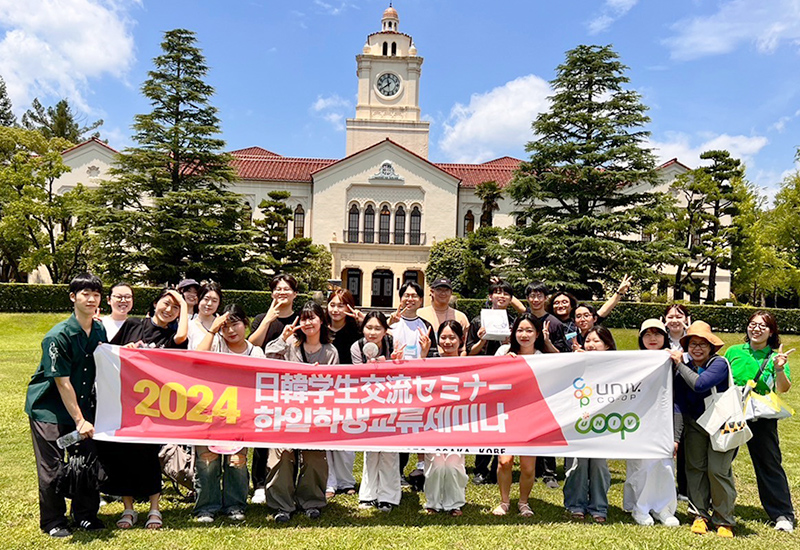
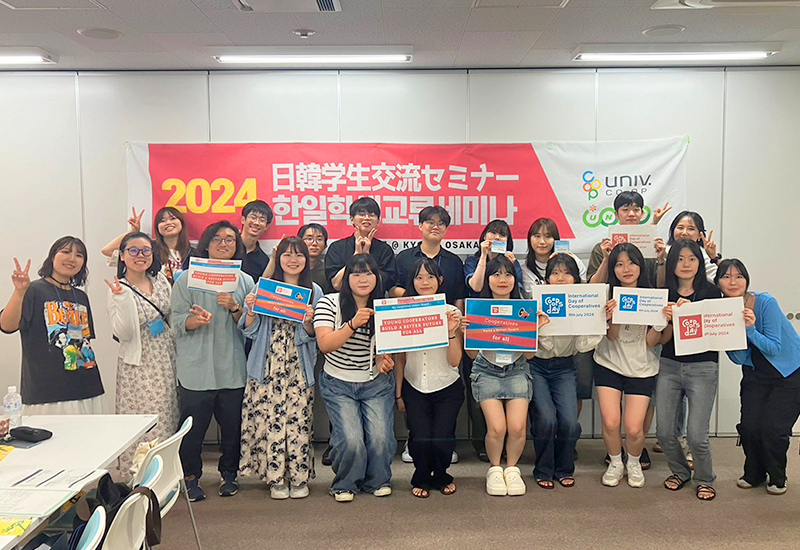
A total of 28 participants attended the seminar, including 11 from Korea, six from Japan, and the organizing staff from National Federation of University Co-operative Associations (NFUCA) and Korea Federation of University Co-operatives (KFUC).
Despite the scorching heat, students from both countries engaged in meaningful interactions, strengthening their friendships while visiting three university cooperatives and exploring local tourist attractions.
Looking ahead to the next fiscal year, we plan to enhance pre- and post-program initiatives to create an environment where the Japan-Korea University Cooperative can achieve even greater collaboration and mutual growth.
Outline of the Event
Dates
- Thursday, July 4, 2024 - Sunday, July 7, 2024
Location
- Kyoto (Ritsumeikan Co-op, Kyoto University Co-op), Kobe (Kwansei Gakuin University Co-op), Osaka (University Co-op Osaka Kaikan)
Participants
- 11 participants from Korea, 6 participants from Japan, 11 participants from the organizing staff (total of 28 participants)
Schedule
Thursday, July 4, 2024
- Arrival and welcome activities
- Ice-breaking session
- Introduction to university co-ops in Korea and Japan
- Sightseeing at Kiyomizu Temple
Friday, July 5, 2024
- Tour of Ritsumeikan Co-op, Kinugasa Campus
- Lunch at the Ritsumeikan Co-op Cafeteria
- Visit to the Kyoto Museum for World Peace, Ritsumeikan University
- Tour of Kyoto University Co-op, Yoshida Campus
- Evening sightseeing at Kamogawa River
Saturday, July 6, 2024
- Tour of Kwansei Gakuin University Co-op, Nishinomiya-Uegahara Campus
- Lunch at the Kwansei Gakuin University Co-op Cafeteria
- Sightseeing at Kitano-cho District in Kobe
Sunday, July 7, 2024
- Opinion exchange session at University Co-op Osaka Kaikan
- Departure
Day One – Welcoming and Bonding
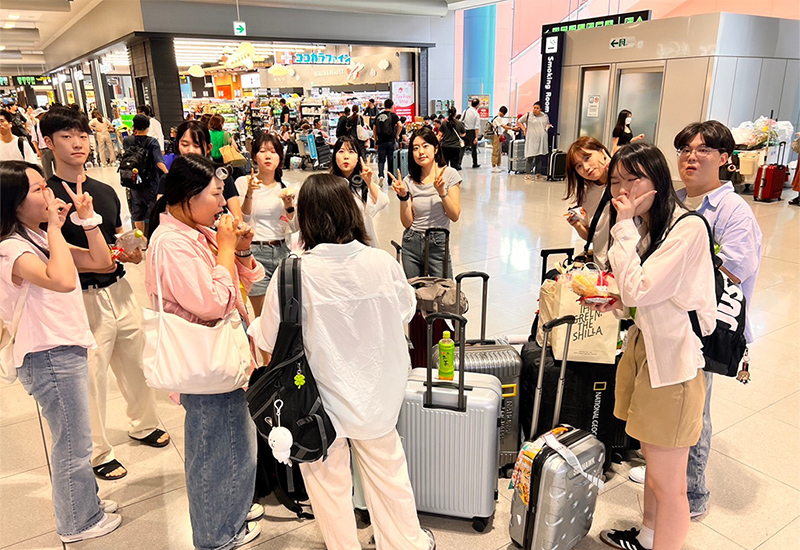
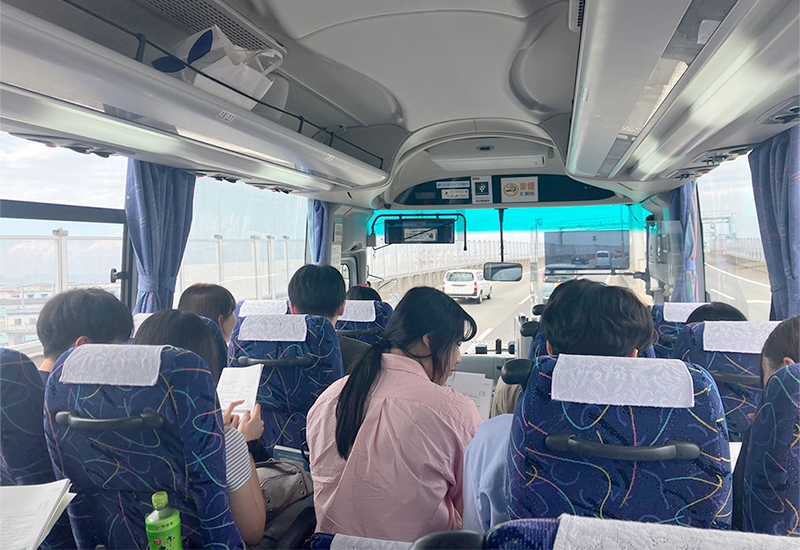
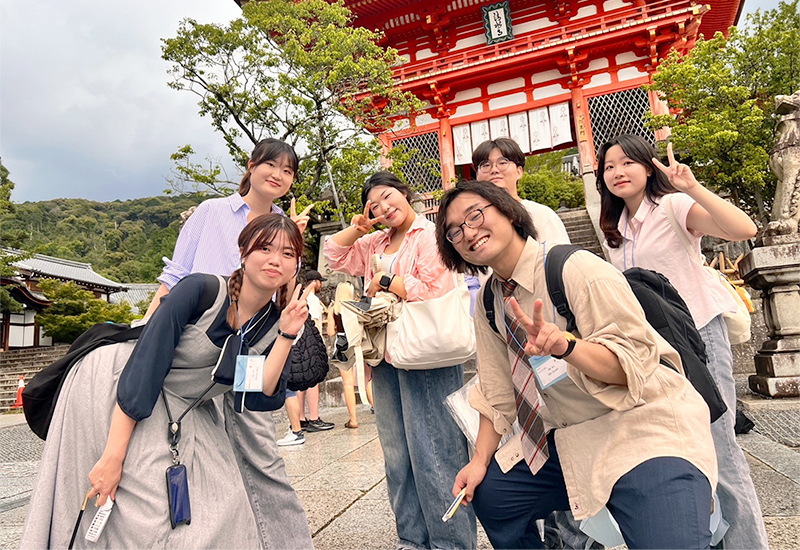
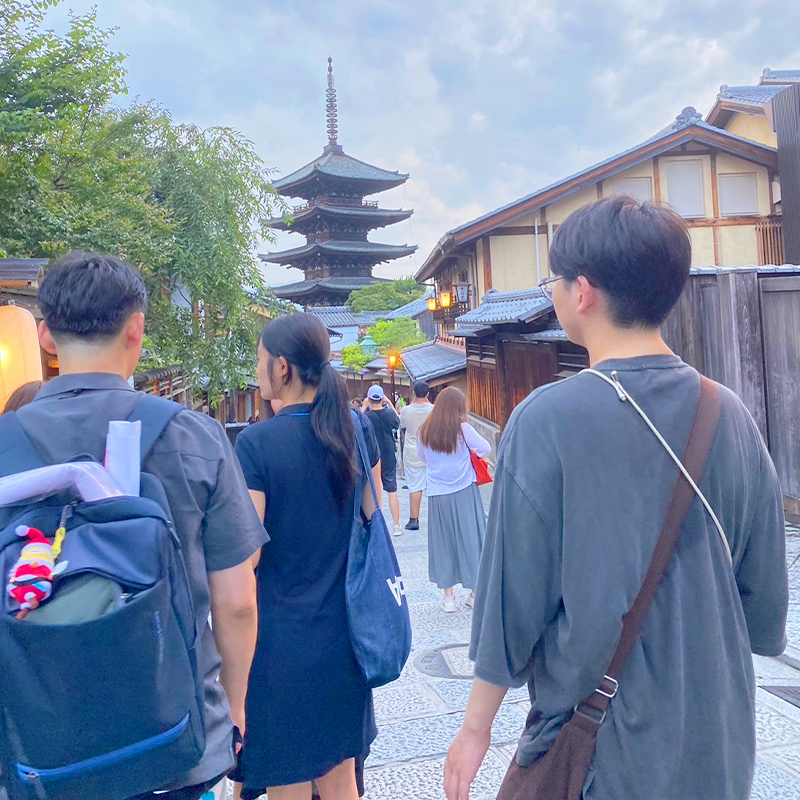
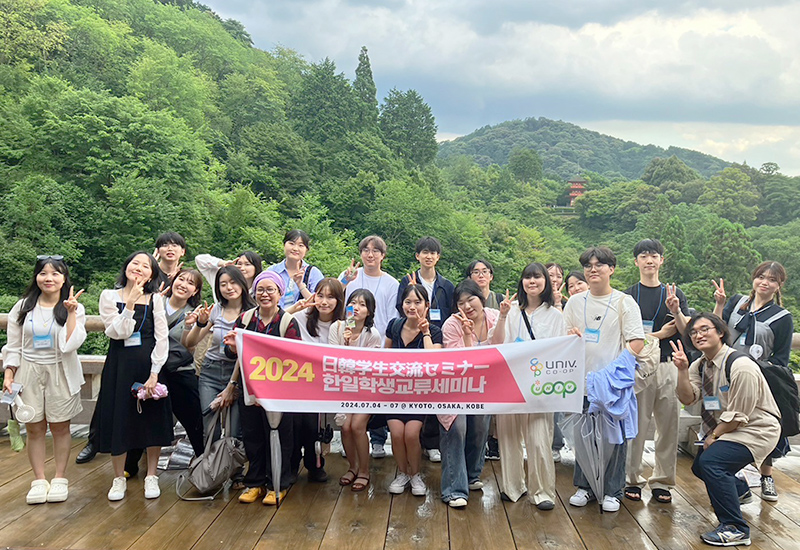
The first day was focused on settling in and establishing connections. After welcoming the Korean participants at Kansai International Airport, everyone participated in an ice-breaking session aimed at fostering friendship and easing into the program. This was followed by an introduction to university co-ops in Korea and Japan, providing valuable insights into the cultural and operational aspects of these cooperative systems. Both activities were conducted on the bus during transit. The day concluded with sightseeing at the iconic Kiyomizu Temple, a UNESCO World Heritage site, where participants admired its stunning architecture and tranquil surroundings, before sharing a delightful dinner to end the day.
Day Two - Discovering University Co-ops in the Cultural City of Kyoto
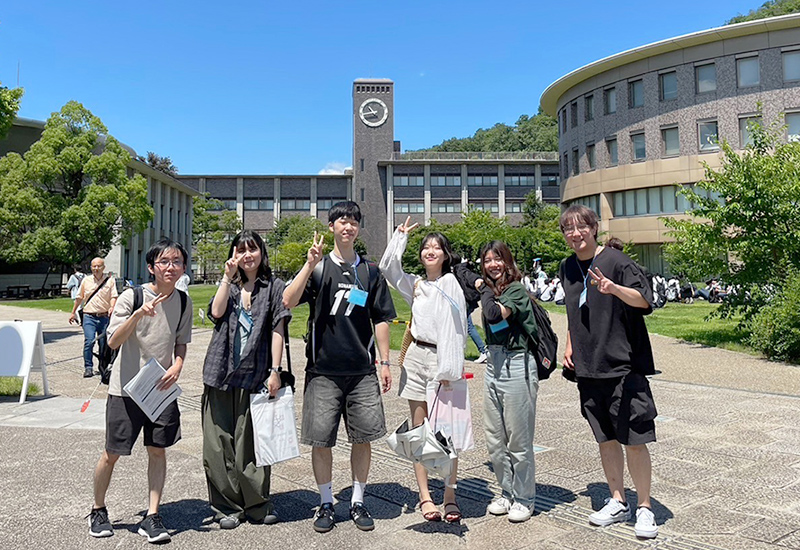
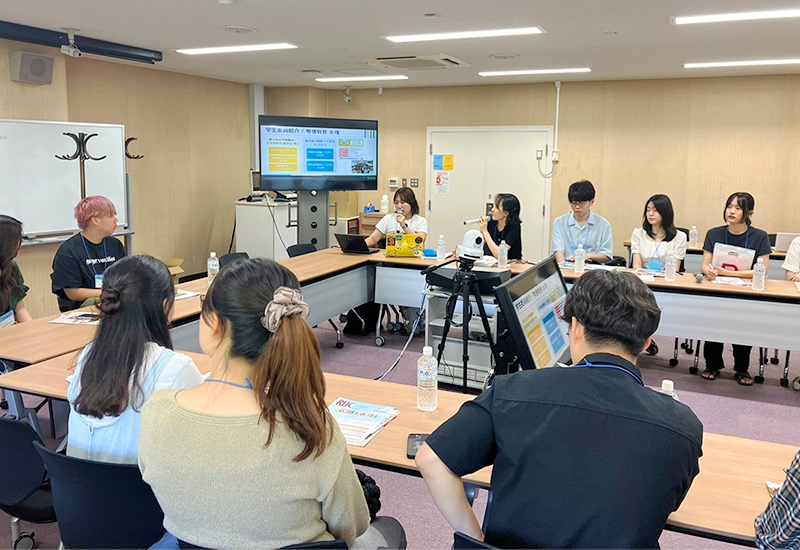
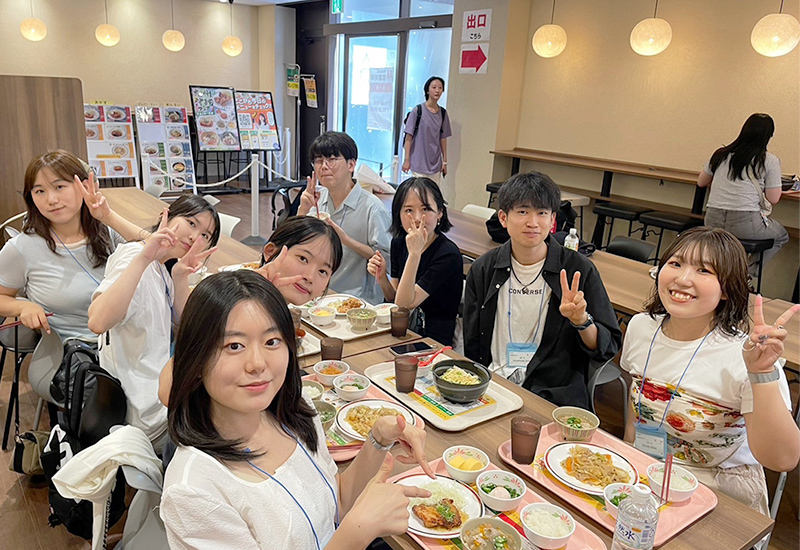
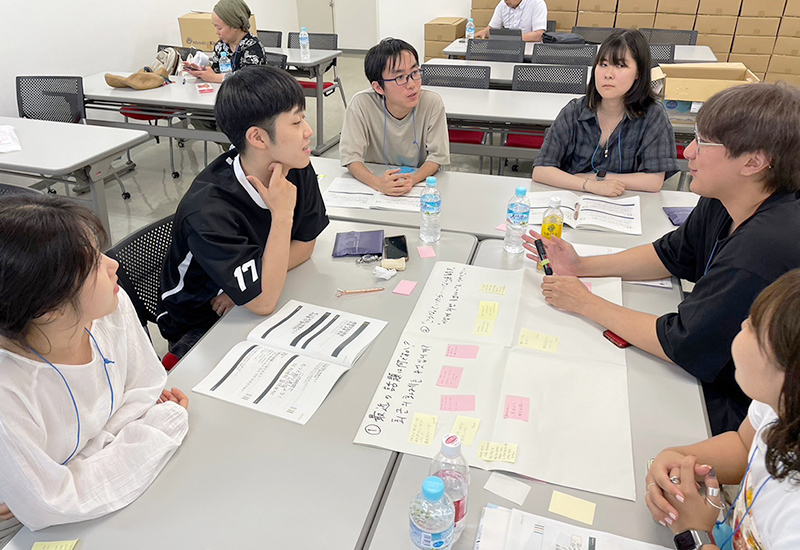
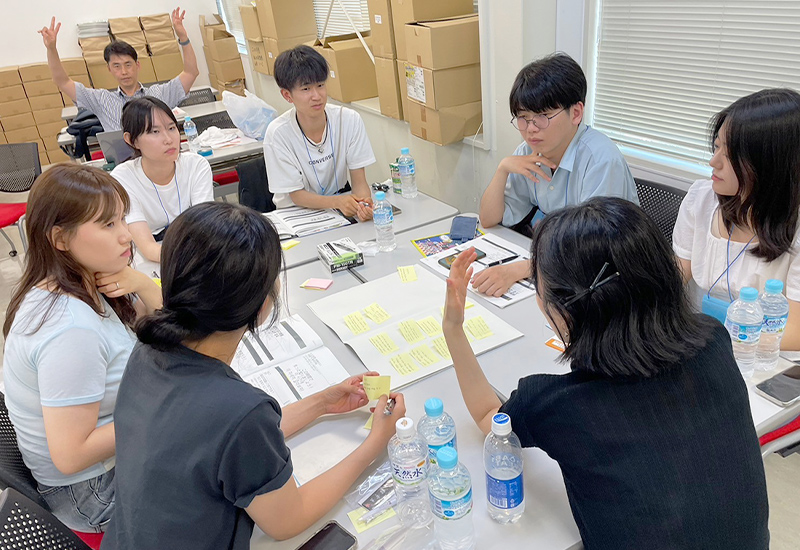
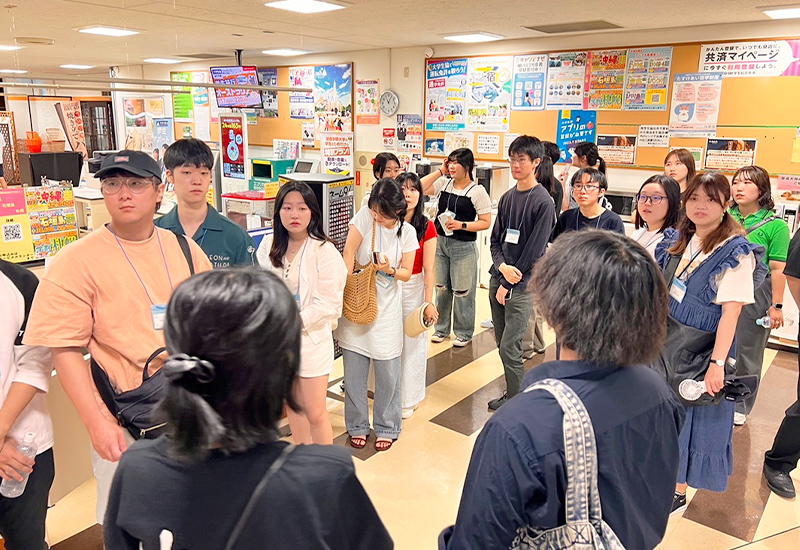
On the second day, participants delved deeper into the world of university co-ops. The morning began with an introduction to Ritsumeikan Co-op and Student Committee activities by Ms. Hana Suzuki from Kansai Hokuriku Regional Block Student Office. This was followed by a tour of the Ritsumeikan Co-op at the Kinugasa Campus, providing a firsthand look at how the cooperative system functions. Afterward, everyone enjoyed a delicious lunch at the Ritsumeikan Co-op Cafeteria, experiencing the lively atmosphere as students filled the space for their midday meals. The group then visited the Kyoto Museum for World Peace at Ritsumeikan University, engaging with exhibits that highlighted global peace efforts. In the afternoon, participants toured the Kyoto University Co-op at the Yoshida Campus, exploring its facilities and operations, and concluded the day with a peaceful evening of sightseeing along the scenic Kamogawa River, followed by a shared dinner.
Day Three - Exploring a Culturally Diverse City and University Co-op
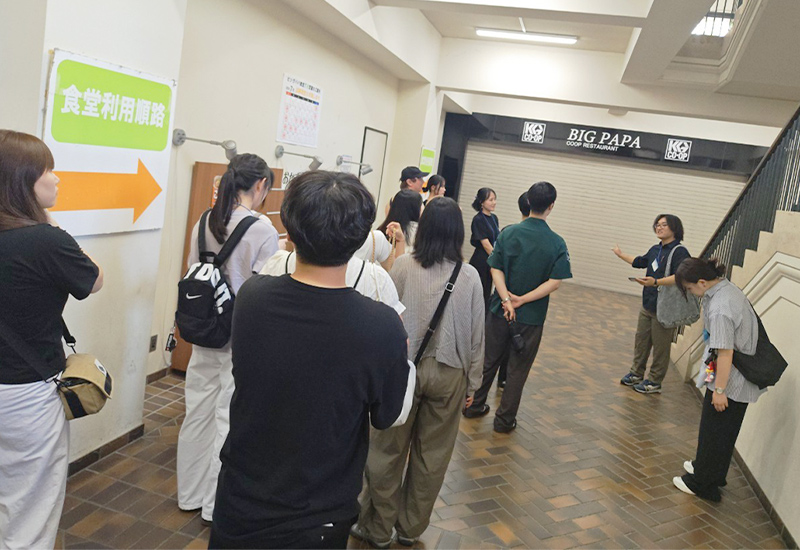
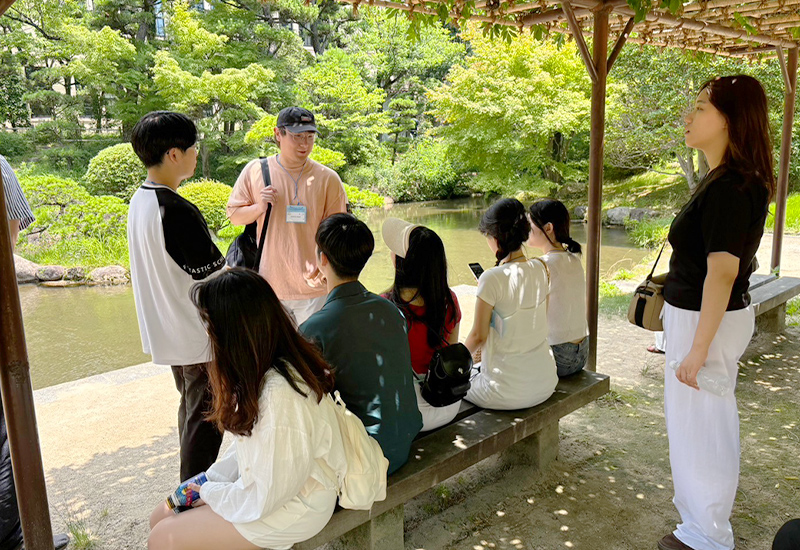
On the third day, participants traveled to the Kwansei Gakuin University Co-op at the Nishinomiya-Uegahara Campus, located in a different prefecture, offering a delightful journey through scenic views. Nestled on the slopes of Mount Rokko, Kwansei Gakuin University boasts breathtaking vistas of the surrounding area. At the campus, they explored the co-op facilities and gained valuable insights into the cooperative system. After the tour, everyone enjoyed a delicious lunch at the Kwansei Gakuin University Co-op Cafeteria. In the afternoon, the group visited the Kitano-cho District in Kobe, renowned for its blend of traditional and Western-style architecture, and spent time sightseeing in this charming area, experiencing the unique cultural atmosphere it offers.
Day Four - Reflection and Farewell
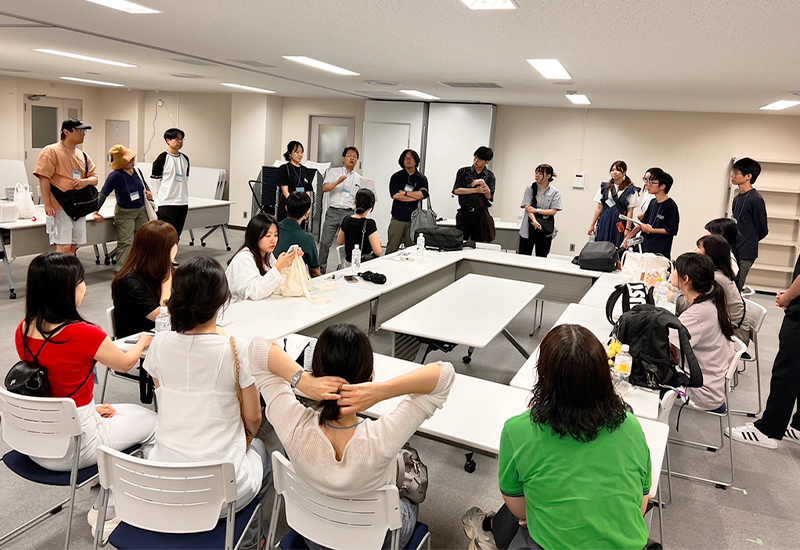
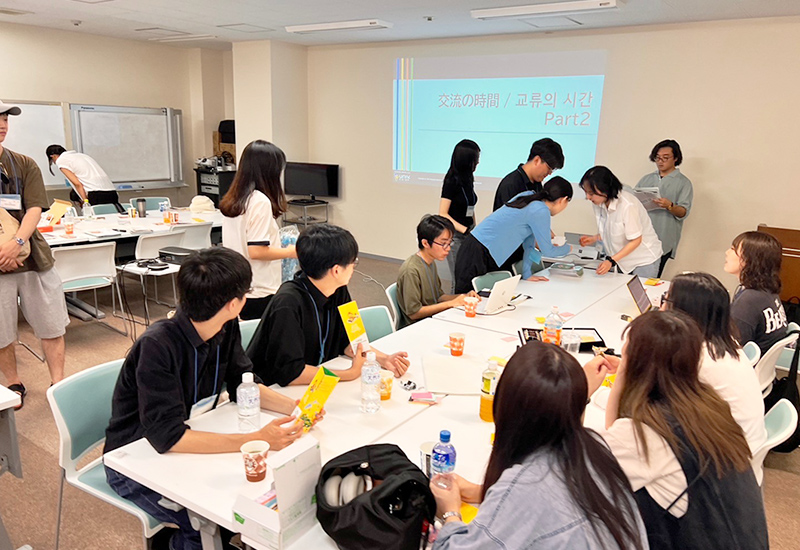
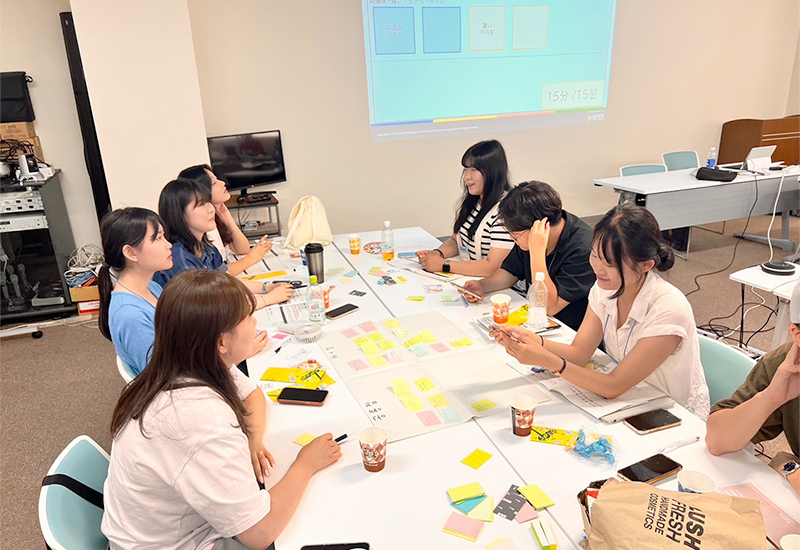
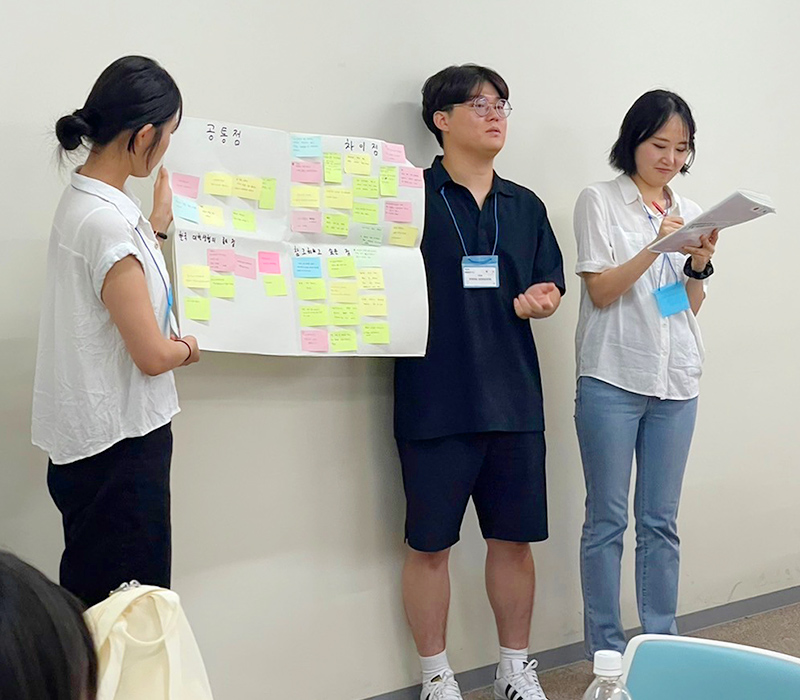
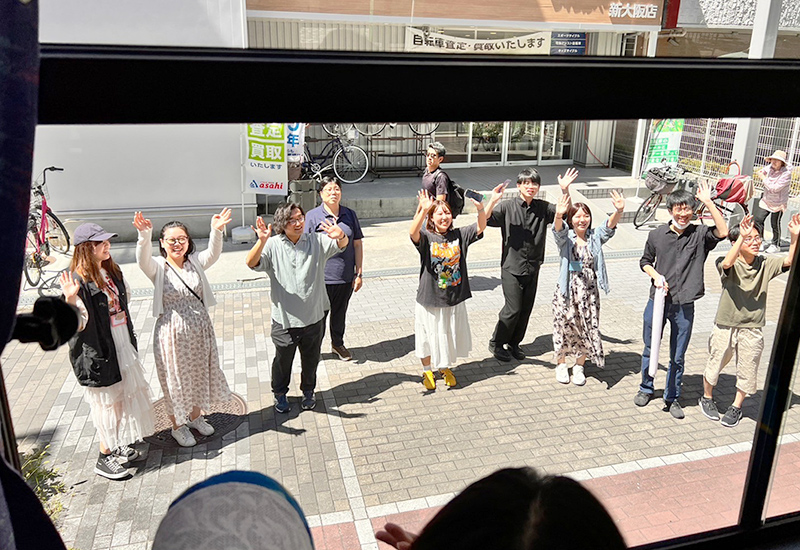
On the final day, participants gathered for an opinion exchange session at University Co-op Osaka Kaikan, where they shared their reflections on the experiences of the past few days. This was a meaningful opportunity for everyone to discuss the lessons learned and how they would apply the knowledge gained in their own co-ops back home. The session was filled with both laughter and emotion as participants bonded over the memories made. After the exchange, it was time for the Korean students to depart, signaling the end of the program. As they said their farewells to Japan, participants left with cherished memories and new connections, eager to return to their own co-ops and share the valuable experiences they had gained.
Comments from the Participants
Positive Outcomes
- The opportunity for students from both countries to meet and interact in person.
- Communication was well supported through program design and the use of interpreters, which helped facilitate mutual understanding.
- Participants were able to learn about the initiatives, strengths, and challenges of university co-ops in both countries.
- Cultural differences between Japan and Korea were understood through hands-on experiences.
- Participants were able to compare university co-ops within Japan and gain broader perspectives.
- Connections were built across different regions within Japan, beyond existing local or block-based networks.
Areas for Improvement
- Many students felt a language barrier, and communication challenges remain an issue to be addressed.
- The balance between the summer heat and the amount of travel placed a physical burden on participants.
- There was limited time to learn in depth about the Korean university co-op system.
- Preparations were rushed toward the end, suggesting that more time and flexibility in planning and organization would be preferable in future programs.
Summary of Questionnaire Results
- The resumption of in-person exchanges helped strengthen bonds among participants and fostered closer relationships.
- Face-to-face interaction enabled more meaningful communication that could not be achieved through online exchanges alone.
- Through cultural exchange and discussions, participants gained a deeper mutual understanding and learned from one another’s experiences.
- Comparing Japanese and Korean university co-ops provided valuable insights into each system’s characteristics and roles.
- Ice-breaking activities on the bus, the presence of interpreters, and bilingual materials were highly appreciated for facilitating communication.
- Participants were able to deepen their understanding of university co-ops, from general structures to more practical operations, and rediscovered the significance of Japanese university co-ops.
- Casual conversations during campus visits and meals offered opportunities to learn about cultural differences in a natural way.
- The program was completed smoothly without major issues, and the overall management was highly appreciated.
- Participants valued the opportunity to interact not only with Korean students but also with students from other regions.
- Visits to large-scale co-op stores provided useful insights into how facilities attract and serve members effectively.
- Korean participants, in particular, found ideas they wished to apply after returning to their home institutions.
- Many Japanese participants commented that the program offered meaningful learning experiences, including a better understanding of both Korean and Japanese co-op systems.
Conclusion
We hope to continue opportunities like this program, where participants are able to visit each other’s countries in person, experience local culture through sightseeing, and learn directly about university co-ops. At the same time, we also plan to create opportunities for online exchanges, allowing students from both Japan and Korea to further deepen their understanding of each other’s cultures, practices, and initiatives—especially in areas that could not be fully explored during this seminar.