International Activities
2024 DSW Study Visit to Japan:
Japanese Dining Hall Culture – Catering and Student Nutrition in Japan
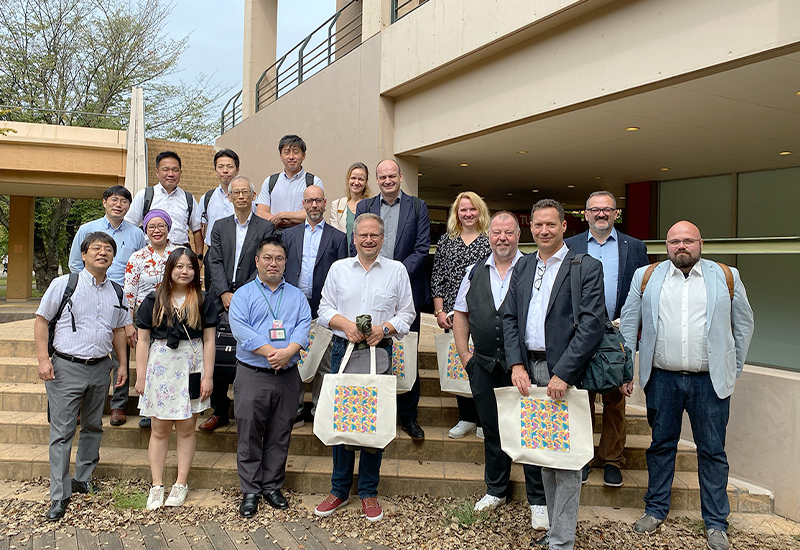
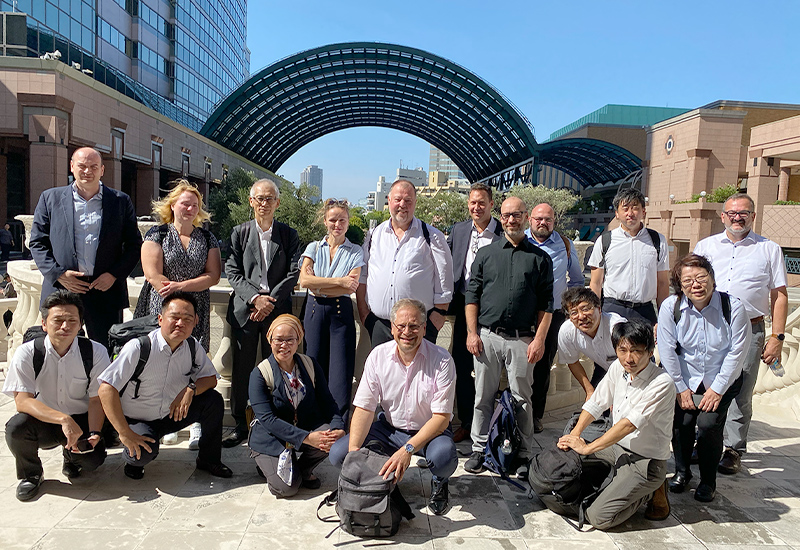
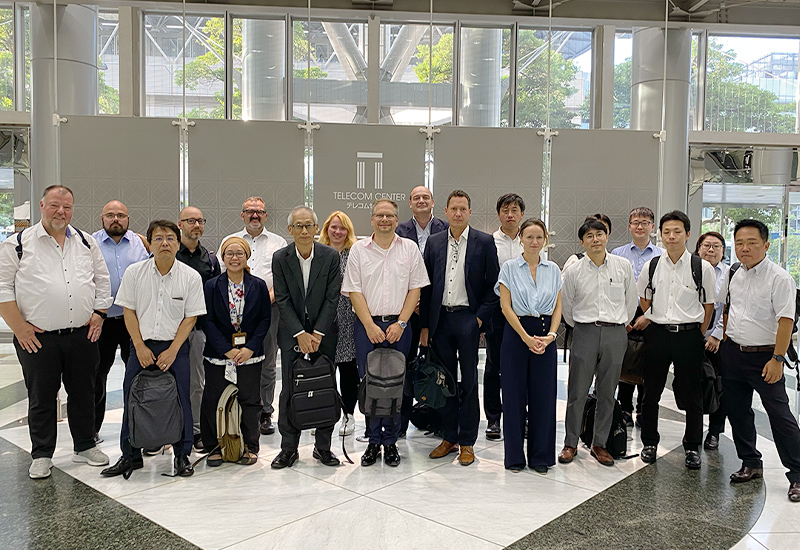
From September 30 to October 3, 2024, the National Federation of University Co-operative Associations (NFUCA) welcomed a delegation from the Deutsches Studierendenwerk (DSW) to Japan for an annual exchange program under the theme “Japanese Dining Hall Culture – Catering and Student Nutrition in Japan.”
The program aimed to deepen mutual understanding of student dining systems and to explore how Japanese university co-operatives support student well-being through food services.
CONTENTS
Exchange with NFUCA and Business Association of University Cooperatives
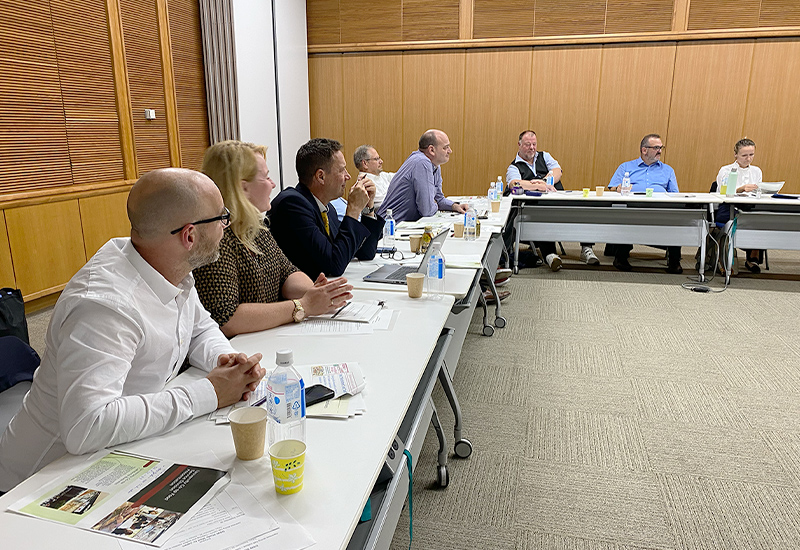
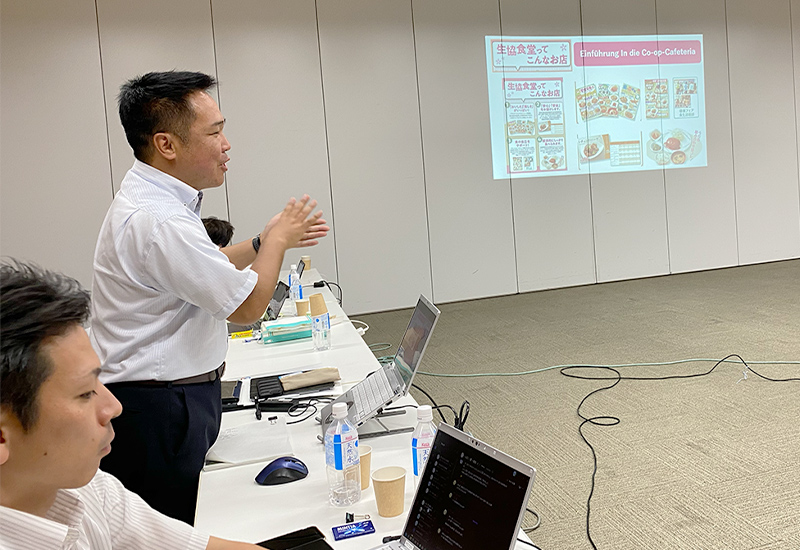
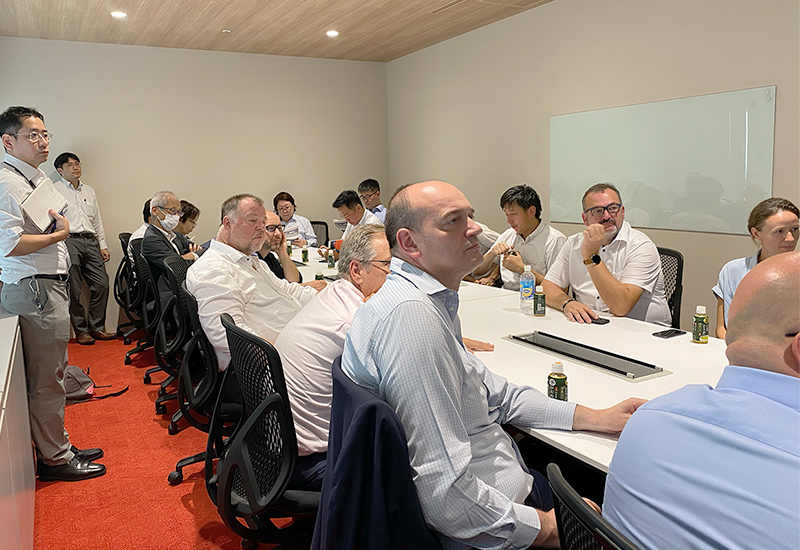
On the first day, the delegation visited NFUCA’s headquarters at Suginami Kaikan, where an overview of the Japanese university co-operative system and student committee activities was presented.
This was followed by an exchange of views with the Business Association of University Cooperatives, focusing on procurement, logistics, menu development, and supply chain management. Participants learned how Japanese university co-ops operate their dining services while maintaining affordability, safety, and nutritional balance for students.
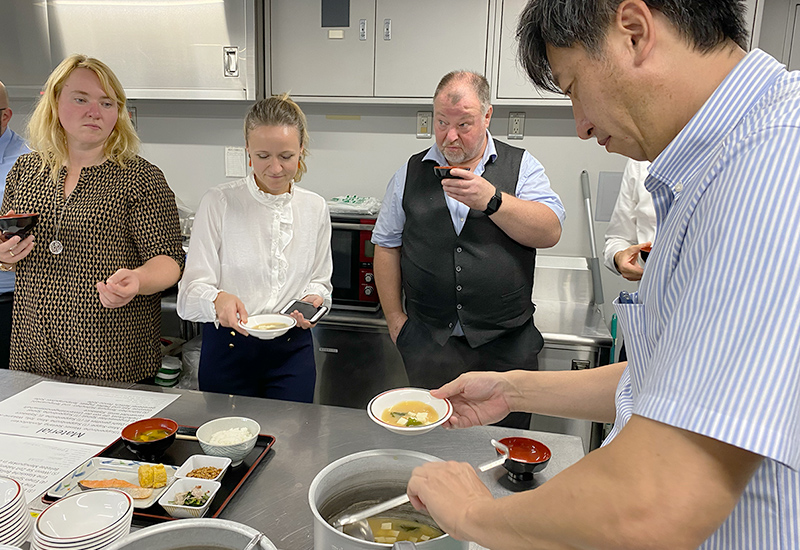
Special attention was given to Japan’s unique food culture, including the use of dashi as the foundation of flavor, rice-based meals, fermented foods, seasonal ingredients, and the concept of ichiju-sansai (one soup and three dishes). Through these explanations, participants gained a deeper understanding of how Japanese university co-ops promote healthy eating habits as part of student support.
Visits to University Co-op Cafeterias
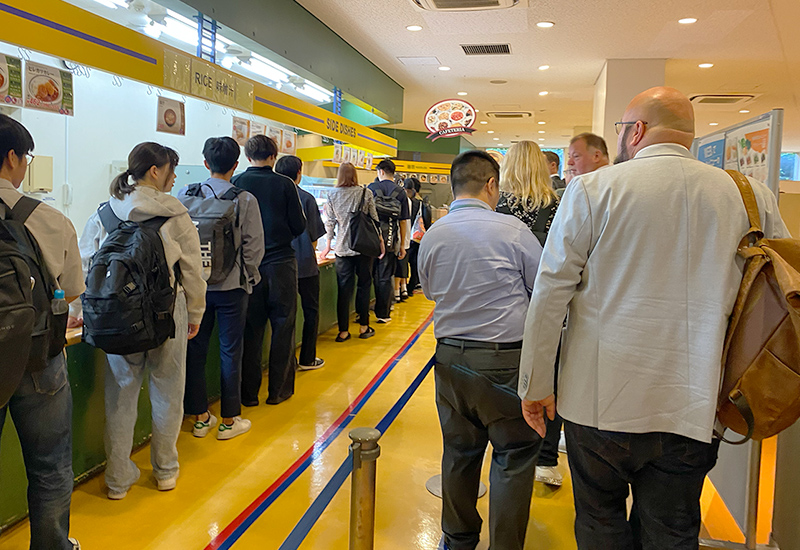
On the second day, the group visited several university co-ops to observe dining operations firsthand.
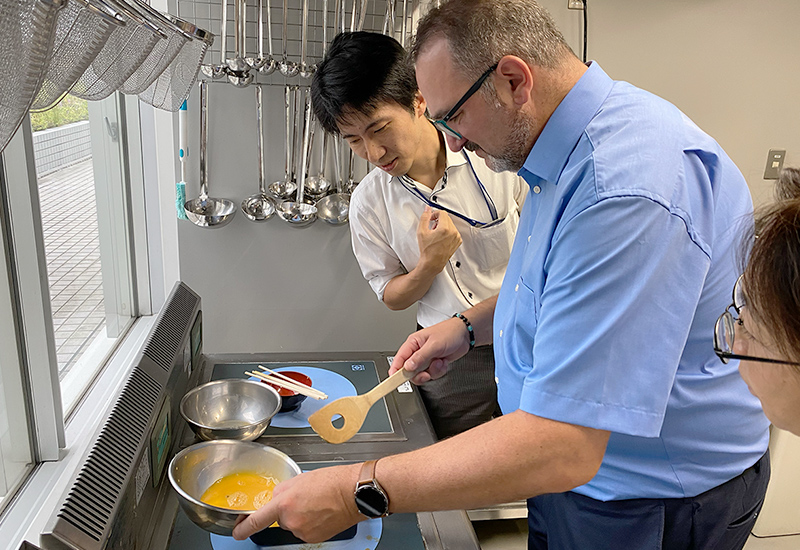
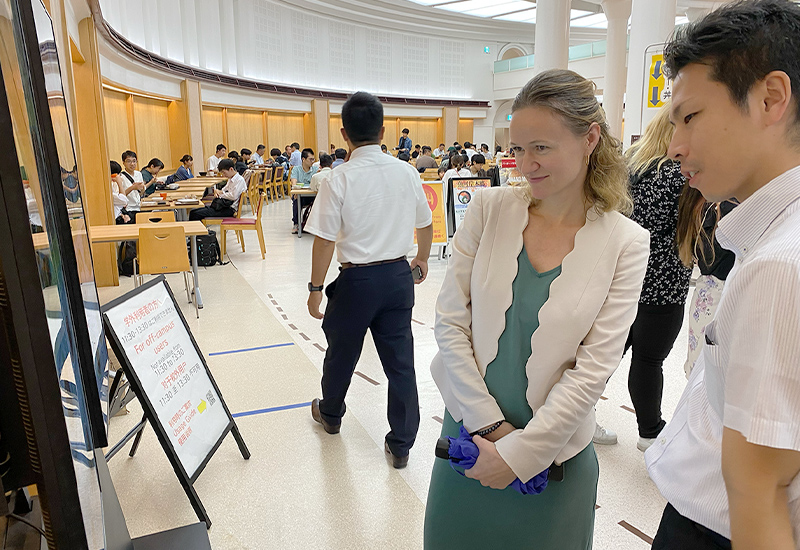
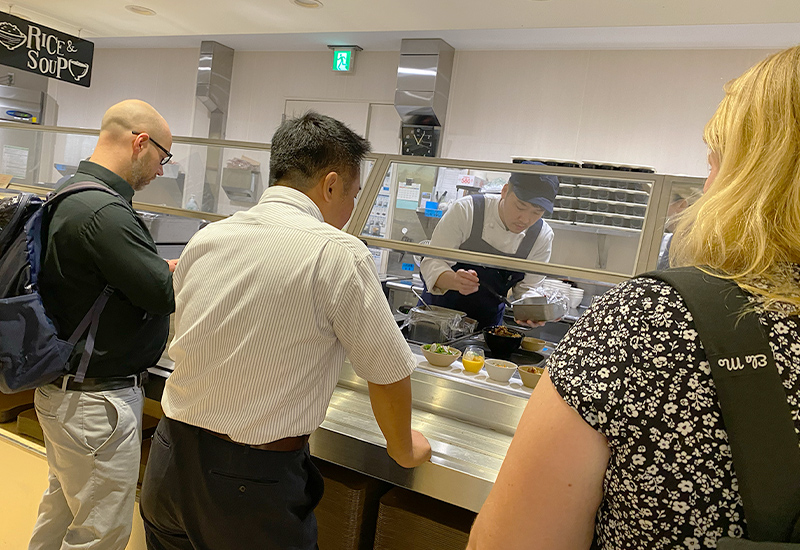
At the Tokyo University of Foreign Studies Co-op, participants learned about initiatives supporting student nutrition and affordable meal provision. They were also able to observe kitchen operations and cafeteria services in practice.
In the afternoon, the delegation visited the University of Tokyo Co-op, where they gained insights into large-scale cafeteria management, menu planning, and operational efficiency.
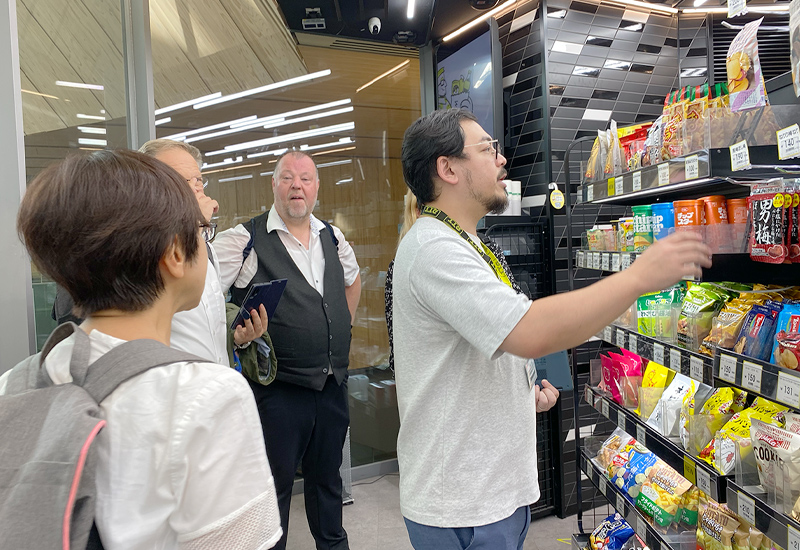
The visit also included an observation of a cashier-less store operated outside the university co-op system, providing an opportunity to learn how digital technology is being used in Japan to enhance convenience and operational efficiency.
Corporate Cafeteria and Food Technology Visit
On the third day, participants visited a corporate cafeteria to learn how employee dining services are managed in a different context from university cafeterias. Discussions focused on operational efficiency, nutrition management, and user satisfaction.
The group then visited TechMagic Inc., a company developing cooking robots and food automation technologies. The visit provided valuable insight into how technology can address labor shortages and contribute to the future of food service operations.
Learning from Japanese Food Culture
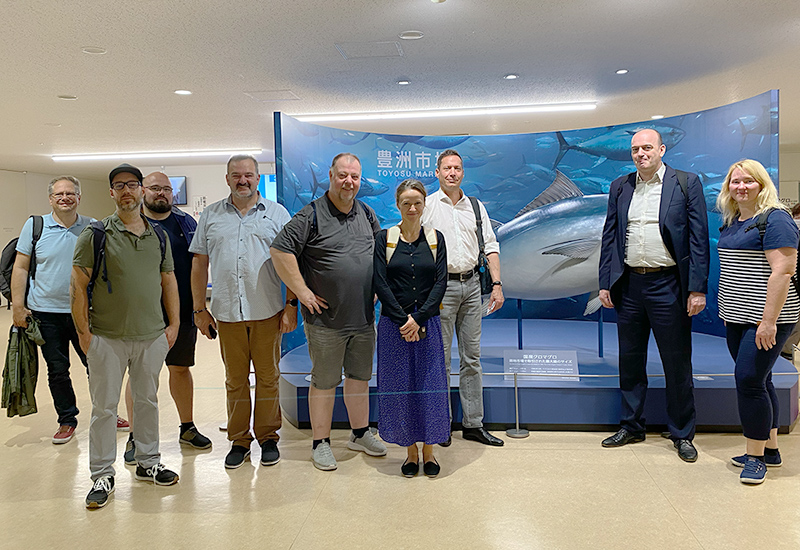
On the final day, the group visited Toyosu Market to learn about Japan’s food distribution system, hygiene standards, and food culture. The visit highlighted Japan’s strong commitment to food safety and quality, as well as the importance placed on respecting ingredients.
Conclusion
Through this study visit, participants gained a deeper understanding of how Japanese university co-operatives support students not only by providing meals, but by promoting healthy lifestyles through carefully designed food services.
The combination of food culture, nutrition, operational systems, and technology demonstrated during the program offered valuable insights for future student dining initiatives in Germany and beyond.
The visit also contributed to strengthening cooperation and mutual understanding between NFUCA and DSW, particularly in the area of student support services.
Participant’s Comment
Esko Niggemann
Director of Student Restaurant “Shokudo”, STW Berlin
I was really impressed by the way meals are served in Japanese shokudo, especially the variety of small dishes presented in kobachi style. The different colors and balanced portions make the meal feel both healthy and visually appealing. In Germany, we usually have one big plate where everything is served together, so this approach felt very refreshing.
At our STW, we also have a shokudo-style cafeteria, but some elements are different from the original Japanese style. For example, our dashi does not use bonito because we also cater to vegans and vegetarians. As a result, the taste is slightly different, but we are trying to get as close as possible to the original flavor. As part of the visit, we also casually explored vegan ramen options and methods of making dashi without bonito, which provided useful reference points for our own food service operations.