International Activities
Strengthening Japan–Korea Student Cooperation:
Report on the 2025 JK Student Exchange Program in Korea
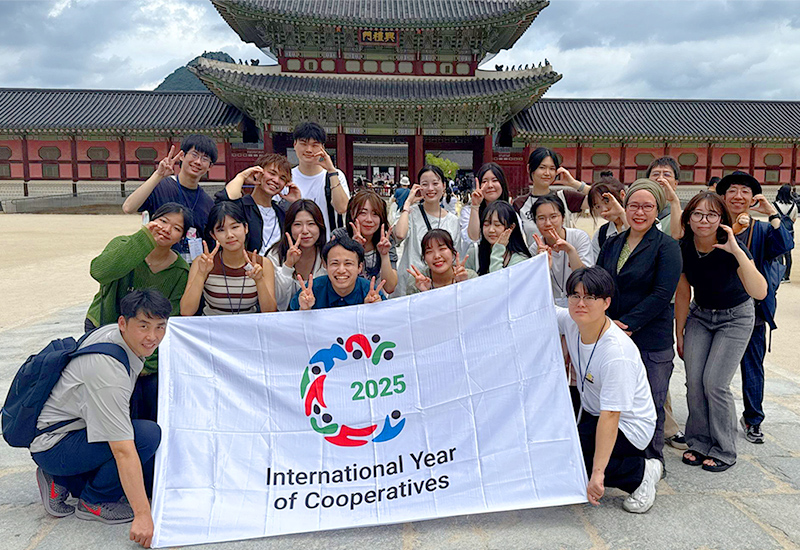
CONTENTS
Program Schedule and Activities
- Saturday, June 28, 2025: Visit to the Korea Museum (Pre-departure Study Session in Japan)
- Sunday, June 29, 2025: Visit and Exchange at the Korea National Open University (KNOU) Co-op
- Monday, June 30, 2025: Gyeongbokgung Palace, Dure Consumer Co-operative Union Visit, Soongsil University Co-op Visit & Exchange, Hangang Park
- Tuesday, July 1, 2025: Kyung Hee University Co-op Visit & Exchange, Korean Cultural Experience
- Wednesday, July 2, 2025: Incheon National University Co-op Visit & Exchange
Overview of the Exchange Program
(1) Purpose of the Program
Since 2002, the National Federation of University Co-operative Associations (NFUCA) and the Korea Federation of University Co-operatives (KFUC) have held the Japan–Korea (JK) Student Exchange Seminar to provide opportunities for students from both countries to engage in dialogue and deepen mutual understanding of history, culture, and student life.
Due to the COVID-19 pandemic, opportunities for in-person exchange were limited for several years. From 2023 onward, face-to-face exchanges were resumed. This year’s program was organized with the aim of enabling students from Japan and Korea to learn about each other’s cultures and university co-op activities, while also exploring ways to further strengthen future Japan–Korea collaboration.
(2) Preparations Prior to the Program
June 3, 2025 (Tuesday) – Online pre-departure meeting for Japanese participants
- An online orientation was held for the Japanese delegation to explain the objectives of the program, provide logistical information for the visit to Korea, and conduct preliminary learning sessions.
- Participants studied Korean history and culture in advance, which helped them build background knowledge and a clearer image of the exchange before departure.
(3) Program Schedule and Activities
- Dates: Saturday, June 28 – Wednesday, July 2, 2025
- Participants
Japan: 8 students, 2 staff members
Korea: 11 students, 1 staff member, 4 interpreters - Main Program Itinerary
Saturday, June 28
- Visit to the Korea Museum for pre-departure study session (Japanese participants)
- Overnight stay near Narita Airport
Sunday, June 29
- Travel from Japan to Seoul, Korea
- Visit to Korea National Open University
- Co-op store tour
- Ice-breaking activities
- Presentations on Korean university life
Monday, June 30
- Visit to Gyeongbokgung Palace
- Visit to Dure Consumer Co-operative Union (community co-op)
- Visit to Soongsil University
- Co-op store tour
- Presentation on Japanese university life
- Exchange session between Japanese and Korean university co-ops
- Visit to Hangang Park
Tuesday, July 1
- Visit to Kyung Hee University
- Co-op store tour
- Dining hall experience
- Discussion on similarities and differences between Japanese and Korean university co-ops
Tuesday, July 1
- Visit to Kyung Hee University
- Co-op store tour
- Dining hall experience
- Discussion on similarities and differences between Japanese and Korean university co-ops
- Korean cultural experience
Wednesday, July 2
- Visit to Incheon National University
- Co-op store tour
- Dining hall experience
- Exchange on challenges faced by university co-ops
- Return to Japan and program conclusion
Overview of Daily Activities
Saturday, June 28, 2025: Visit to the Korea Museum (Pre-departure Study Session in Japan)
- As part of the pre-departure study session, participants visited the Korea Museum located in Shin-Okubo, Tokyo.
- While listening to explanations from museum volunteers and Korean international student, participants learned about the historical ties between the Korean Peninsula and Japan, as well as the current circumstances of Korean residents in Japan.
- Further information about the Korea Museum is available at the following website:
Sunday, June 29, 2025: Visit and Exchange at the Korea National Open University (KNOU) Co-op
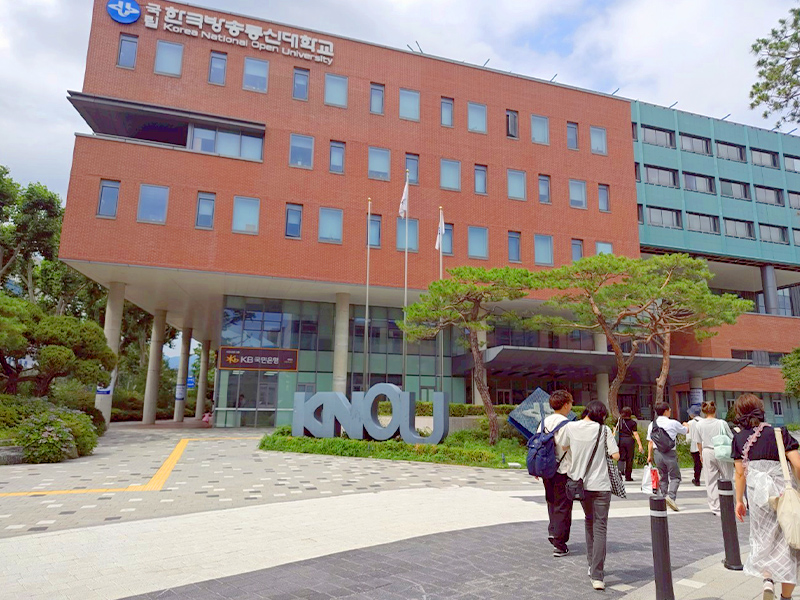
Photo 1
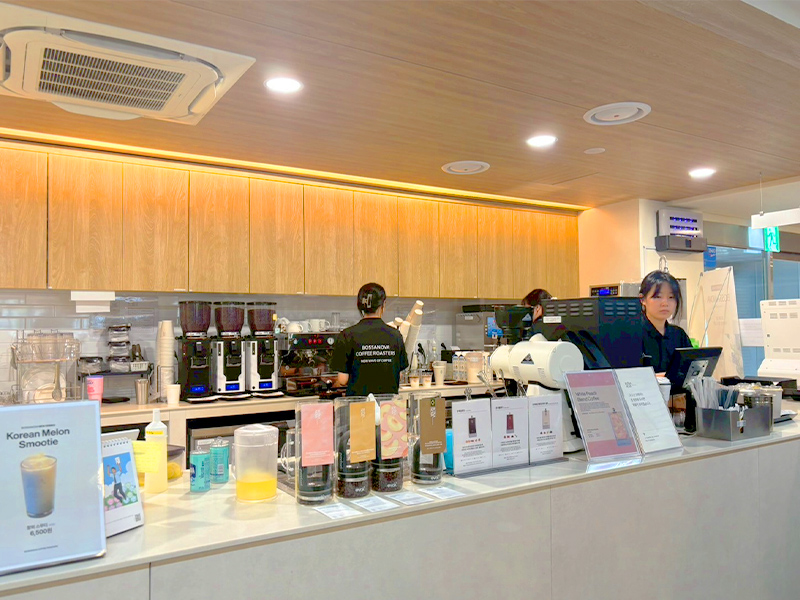
Photo 2
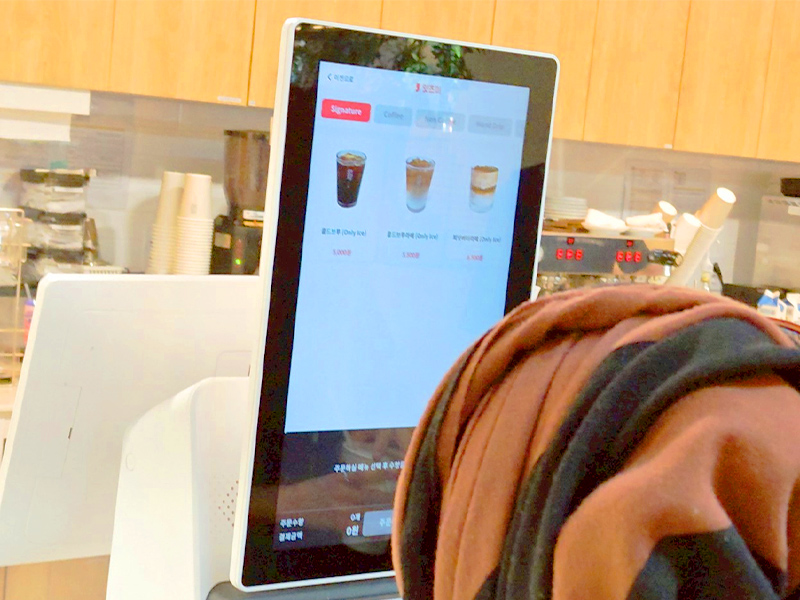
Photo 3
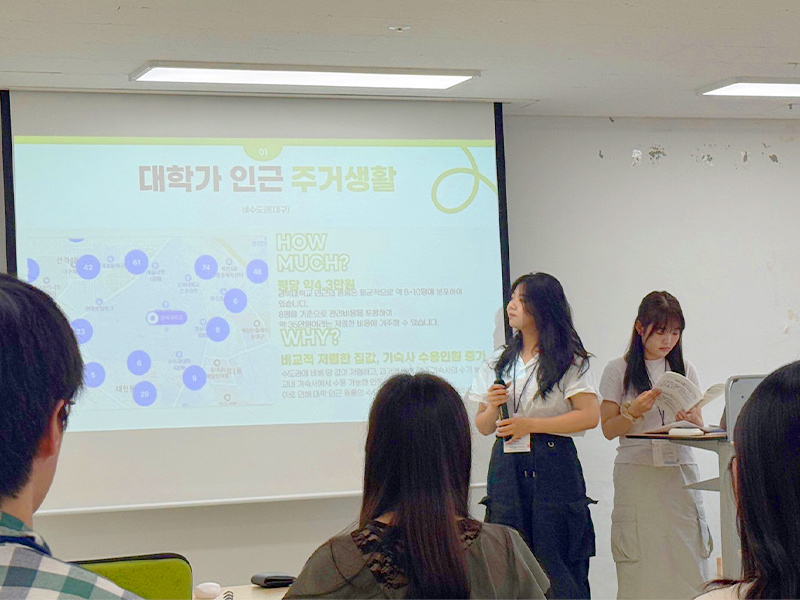
Photo 4
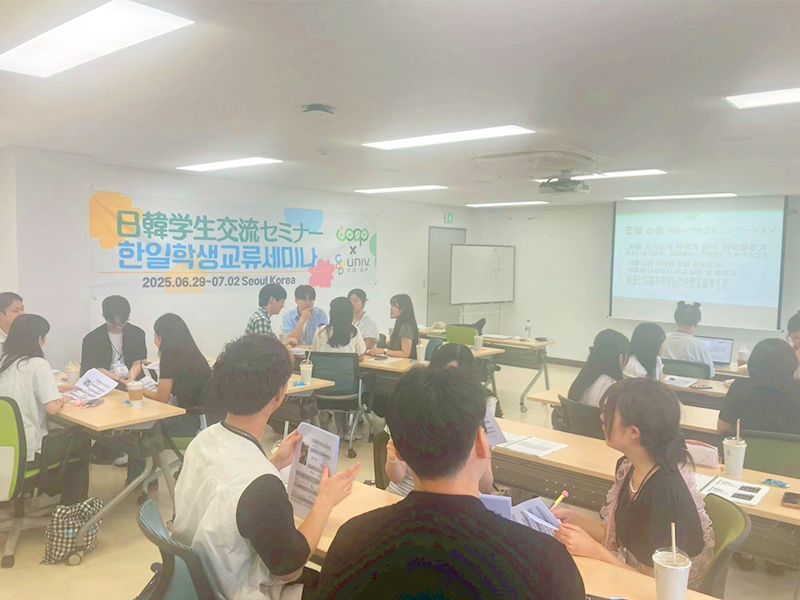
Photo 5
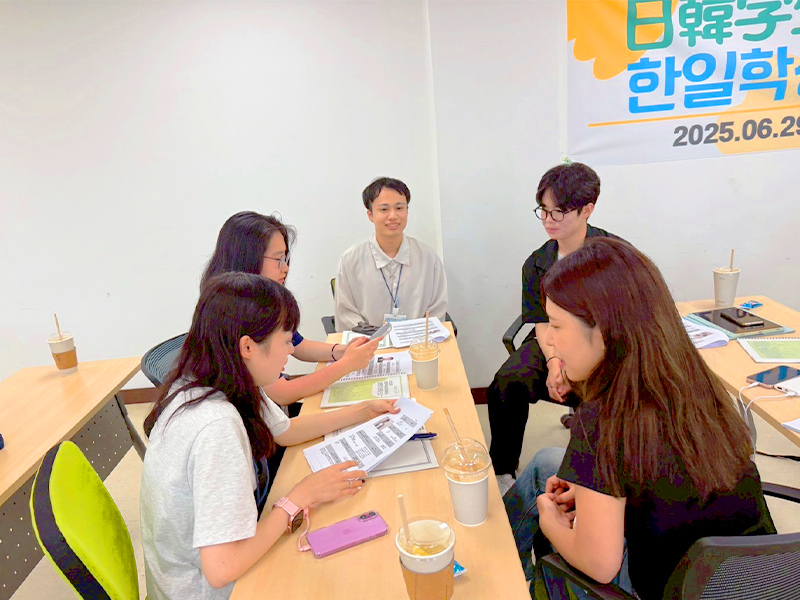
Photo 6
- The group visited Korea National Open University (Photo 1) and toured a café operated by the university co-op (Photo 2).
- Orders at the café could be placed via touch-panel terminals (Photo 3), and mobile app ordering was also available.
- An ice-breaking session was held together with Korean students, followed by a presentation on university life in Korea (Photo 4, Photo 5, Photo 6). Topics included lecture styles, commuting to university, and extracurricular activities such as clubs and student organizations.
Monday, June 30, 2025: Gyeongbokgung Palace, Dure Consumer Co-operative Union Visit, Soongsil University Co-op Visit & Exchange, Hangang Park
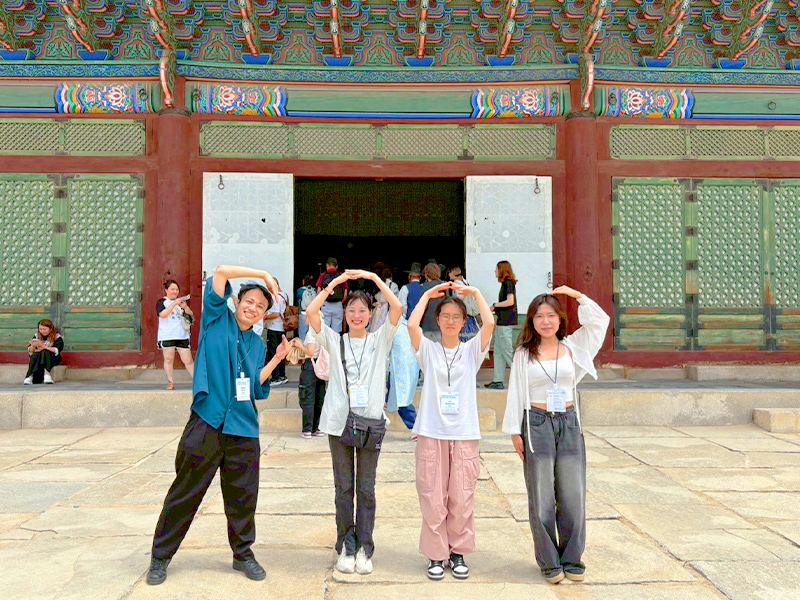
Photo 1
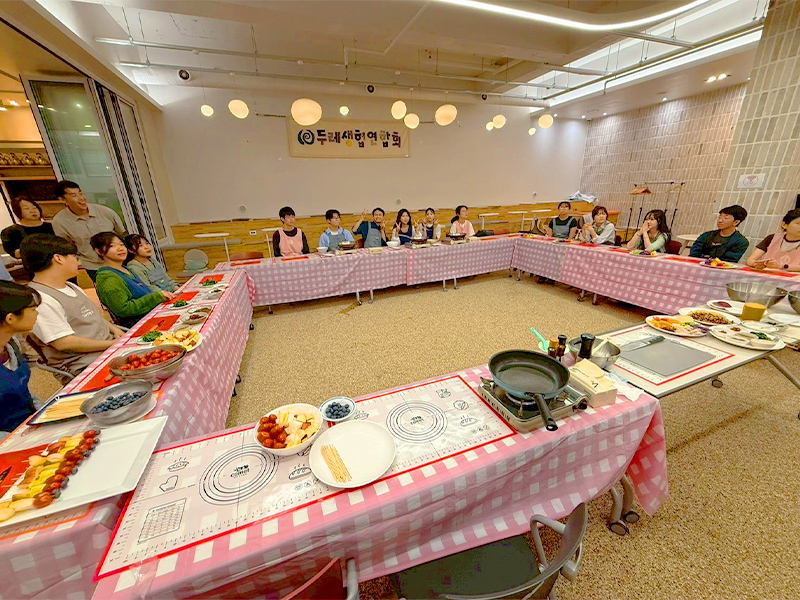
Photo 2
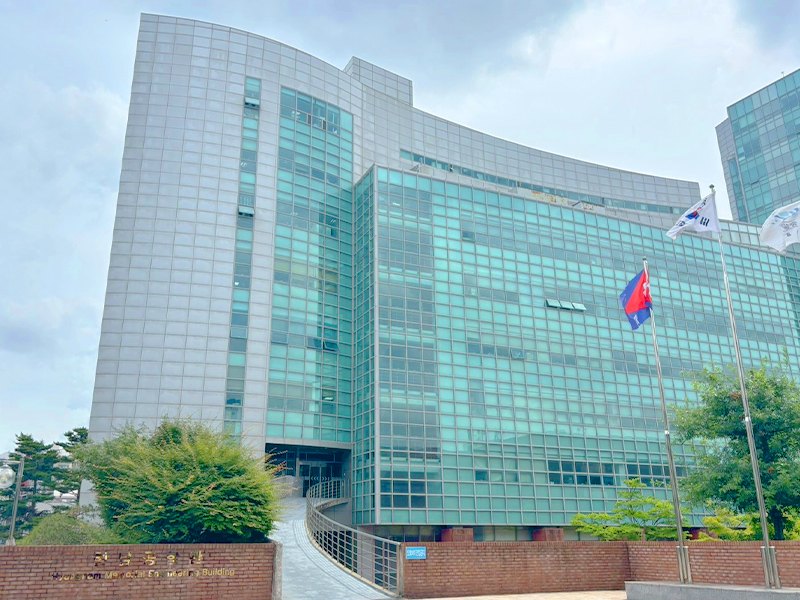
Photo 3
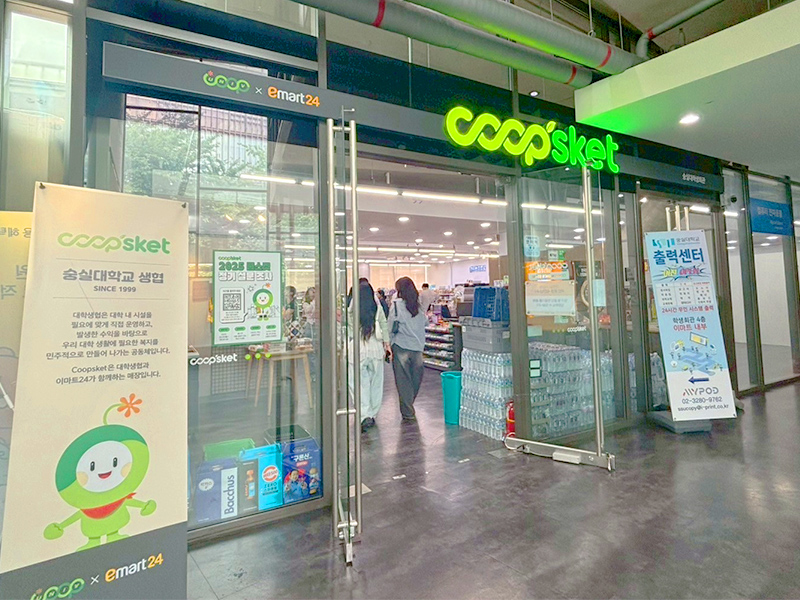
Photo 4
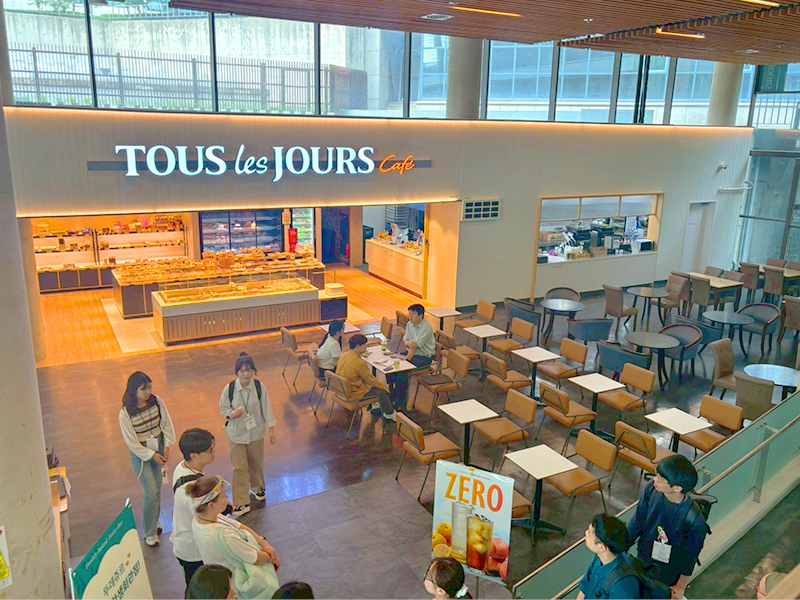
Photo 5
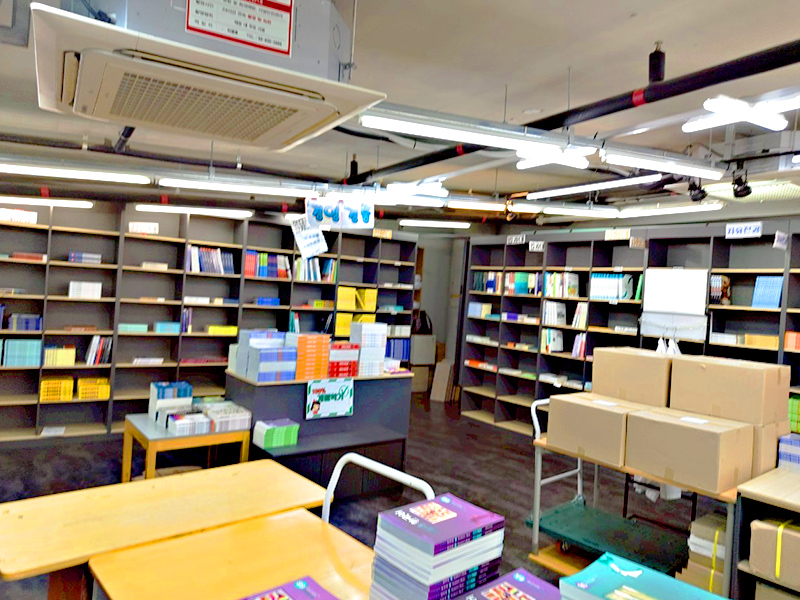
Photo 6
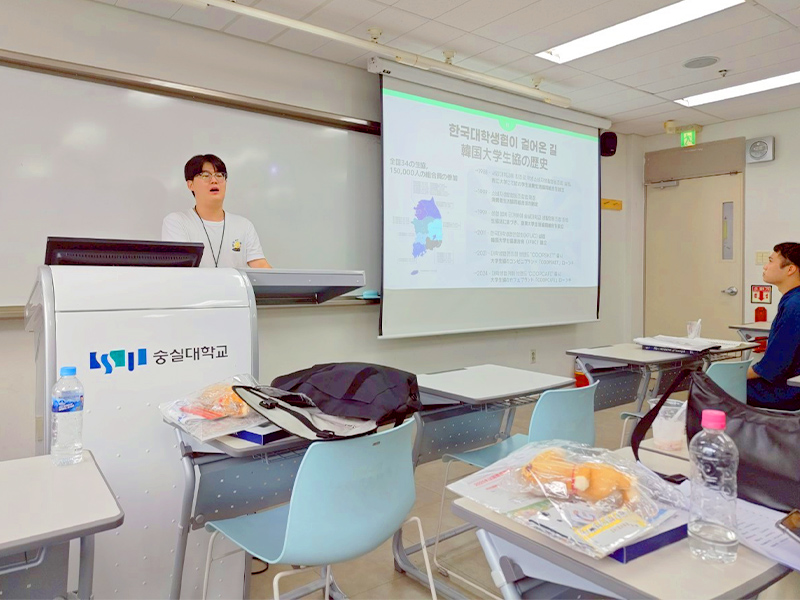
Photo 7
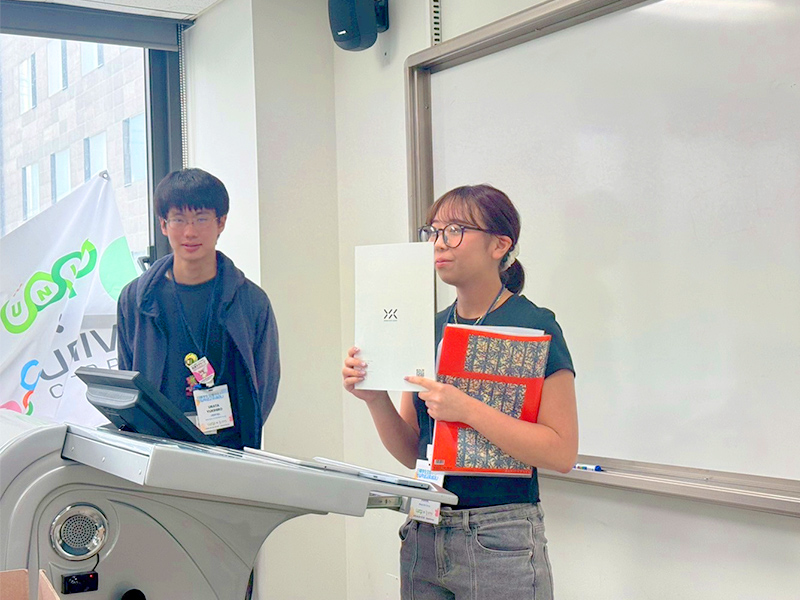
Photo 8
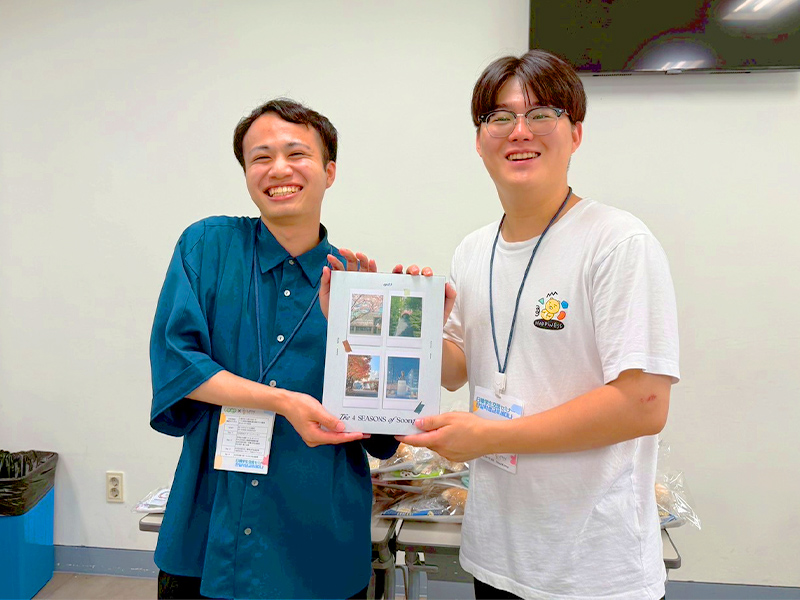
Photo 9
- The group visited Gyeongbokgung Palace (Photo 1), where participants learned about Korea’s historical architecture and cultural heritage.
- During lunchtime, the group visited Dure Consumer Co-operative Union, a regional consumer co-op in Korea (Photo 2). The co-op focuses on promoting organic agriculture and domestic agricultural products, and participants learned about its role in supporting members’ daily lives.
- In the afternoon, the group visited Soongsil University (Photo 3). Participants toured the university co-op store and gathered in a lecture room to exchange information about Japanese university life and to discuss similarities and differences between Japanese and Korean university co-ops.
- In the evening, participants visited Hangang Park, providing an opportunity for further exchange and informal interaction among participants.
Tuesday, July 1, 2025: Kyung Hee University Co-op Visit & Exchange, Korean Cultural Experience
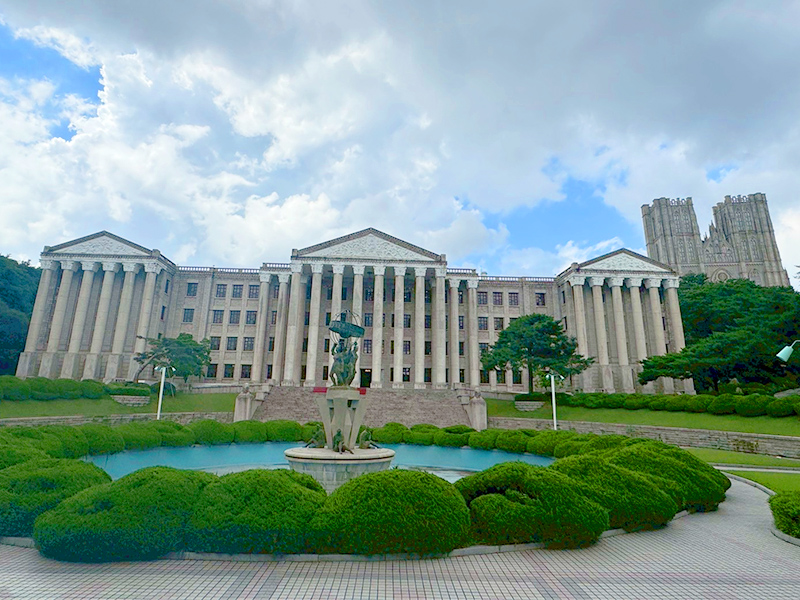
Photo 1
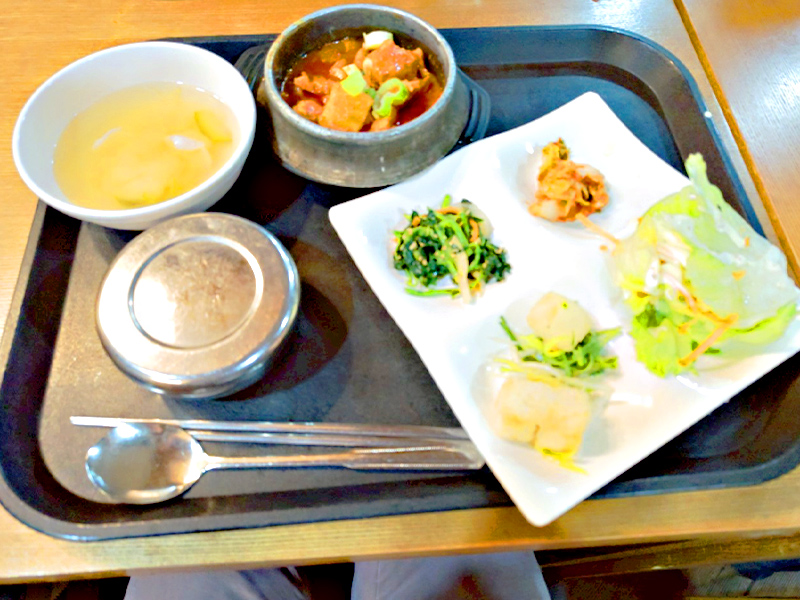
Photo 2
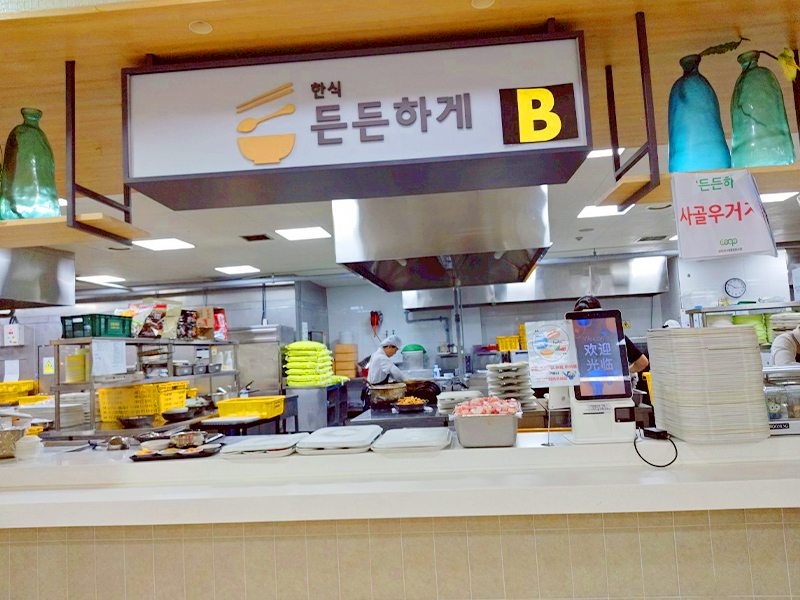
Photo 3
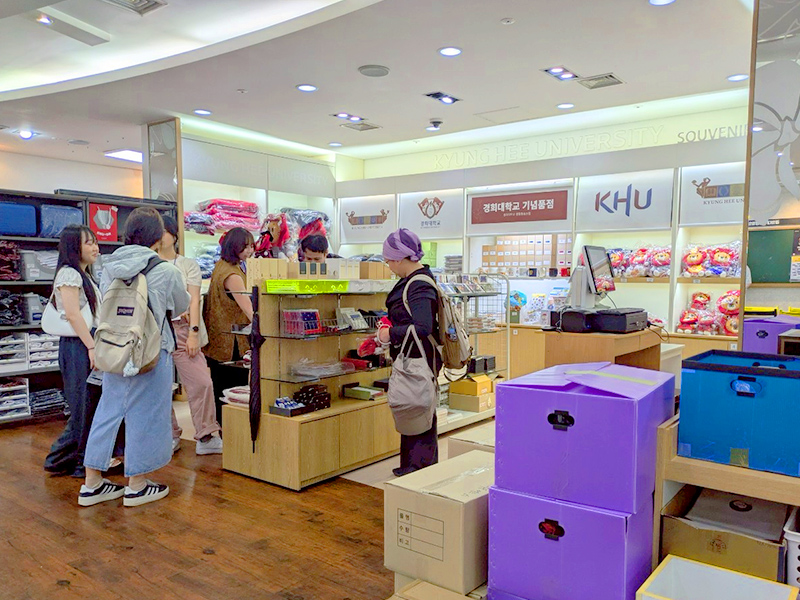
Photo 4
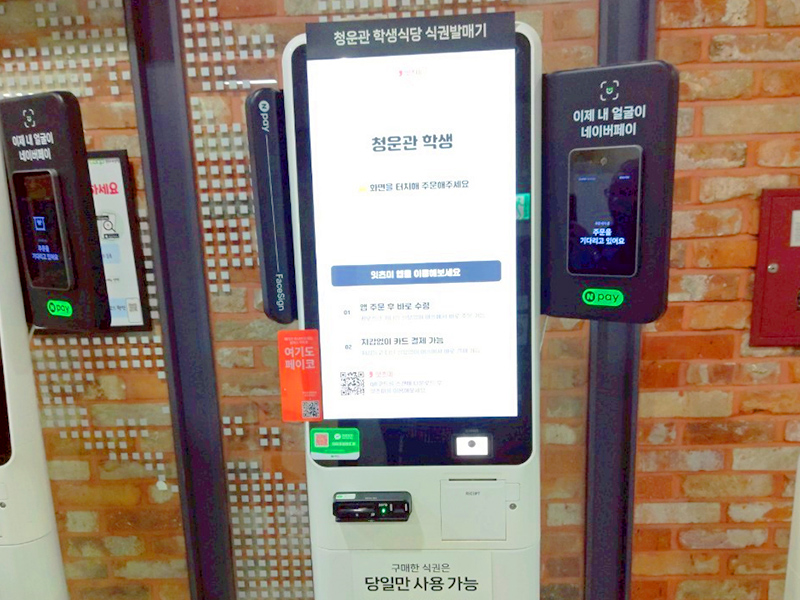
Photo 5
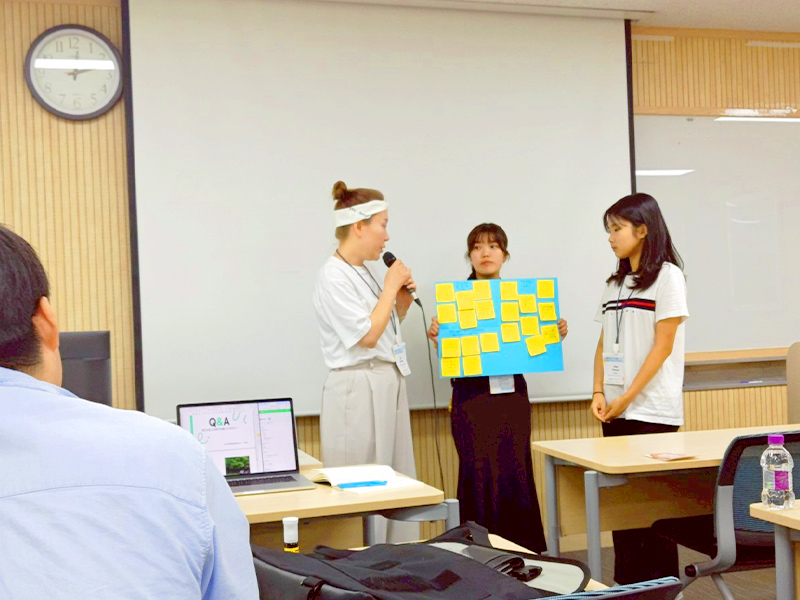
Photo 6
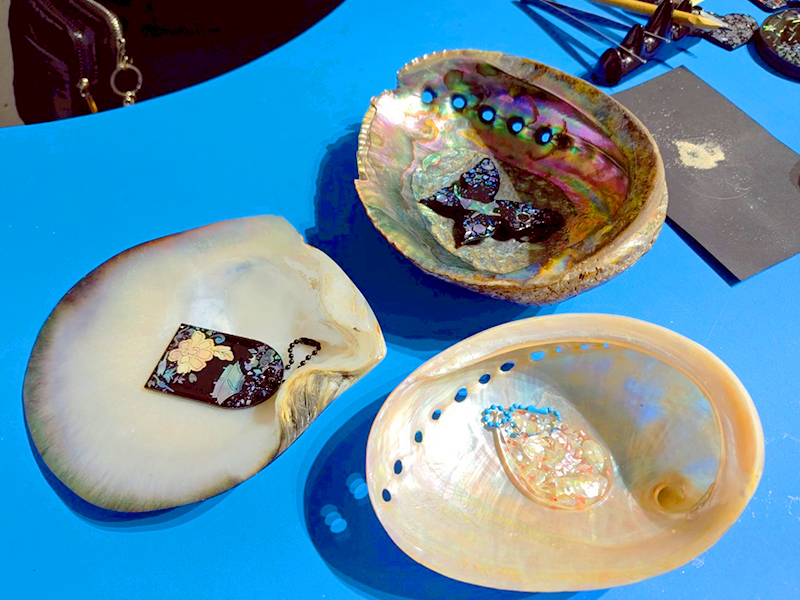
Photo 7
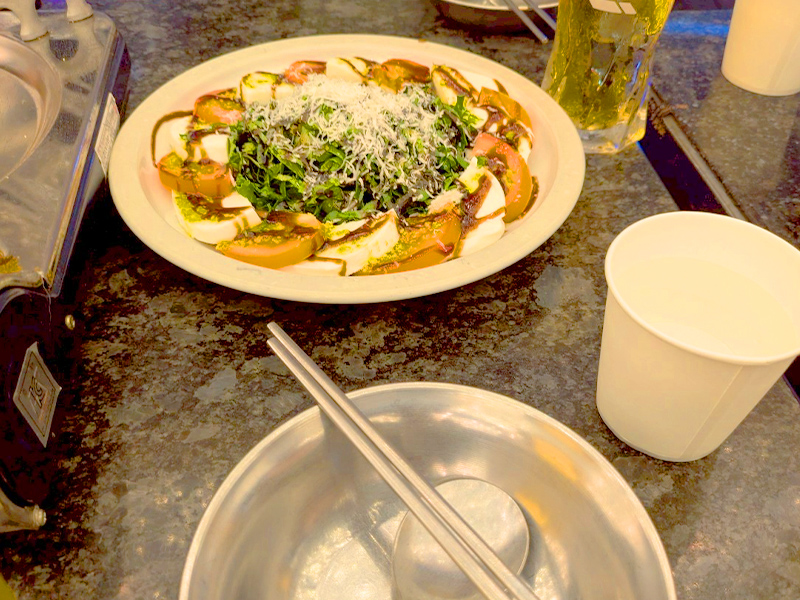
Photo 8
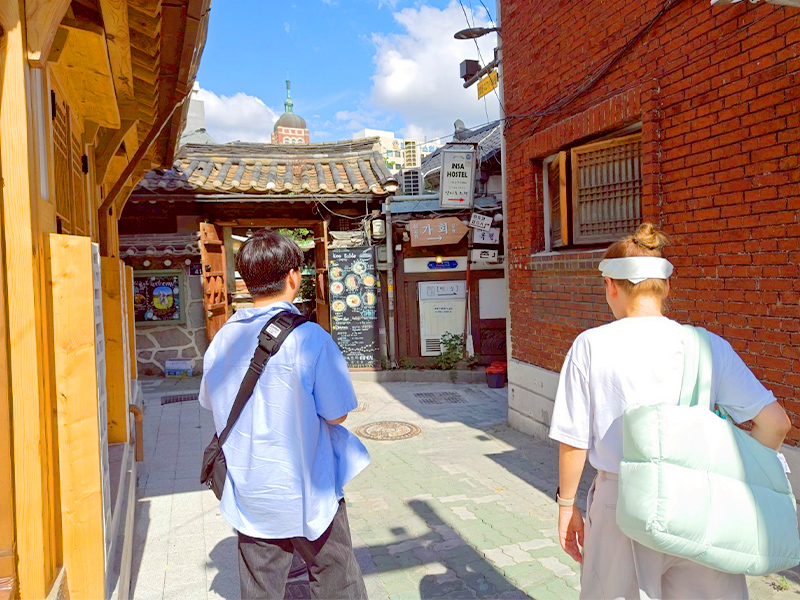
Photo 9
- The group visited Kyung Hee University (Photo 1). Participants used the campus dining facilities (Photo 2, Photo 3) and toured the co-op stores.
- One of the stores (Photo 4) specialized in original university-branded products developed exclusively for Kyung Hee University. These items are sold only through the university co-op under a special agreement with the university.
- Although still in a pilot phase, Kyung Hee University has introduced a system that allows students to purchase meal tickets using a credit card linked to facial recognition technology, available exclusively at the university co-op (Photo 5).
- Based on observations from the visits thus far, participants took part in group discussions to share their impressions. Through these discussions, it was reaffirmed that regardless of national differences, students involved in university co-ops share the common goal of improving student life.
- After the group discussions, participants explored Seoul in small groups.
- During the city exploration, participants enjoyed Korean cuisine, visited tourist areas such as Insadong, and experienced Korean culture firsthand, making the most of their time in a different cultural environment (Photo 7, Photo 8, Photo 9).
Wednesday, July 2, 2025: Incheon National University Co-op Visit & Exchange
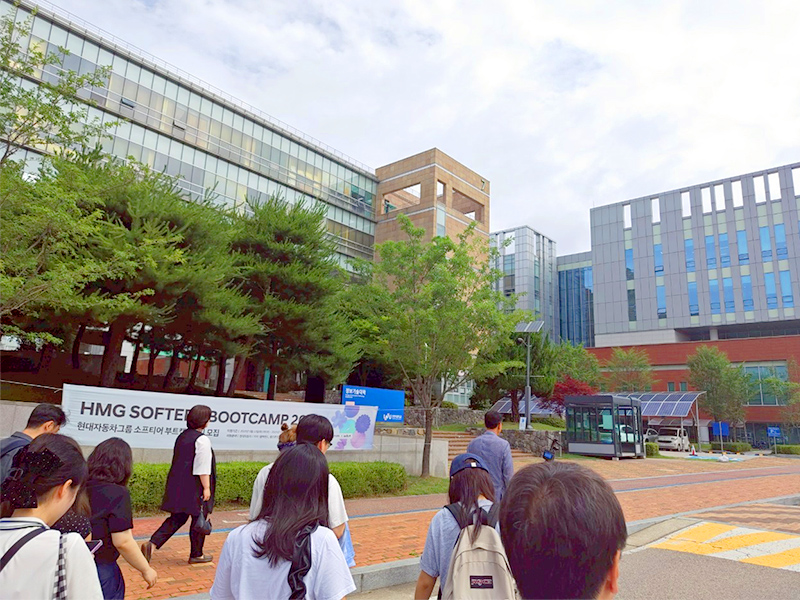
Photo 1
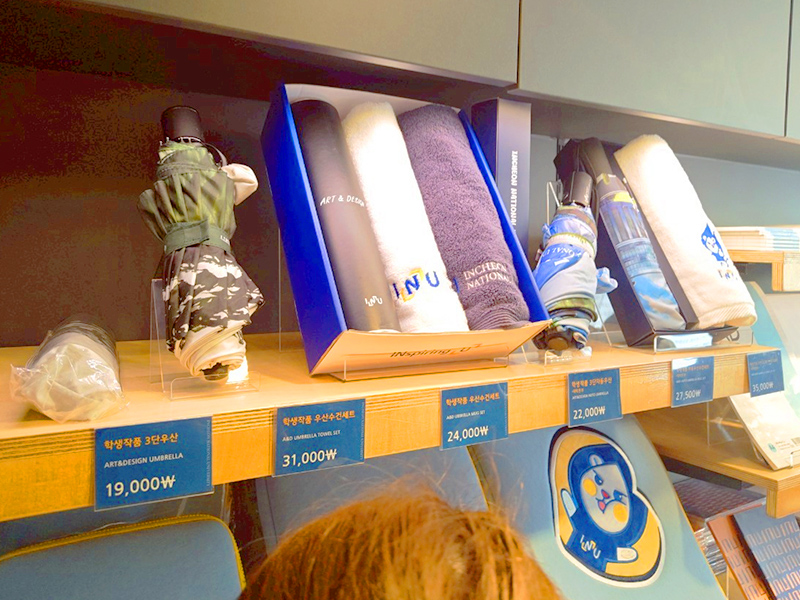
Photo 2
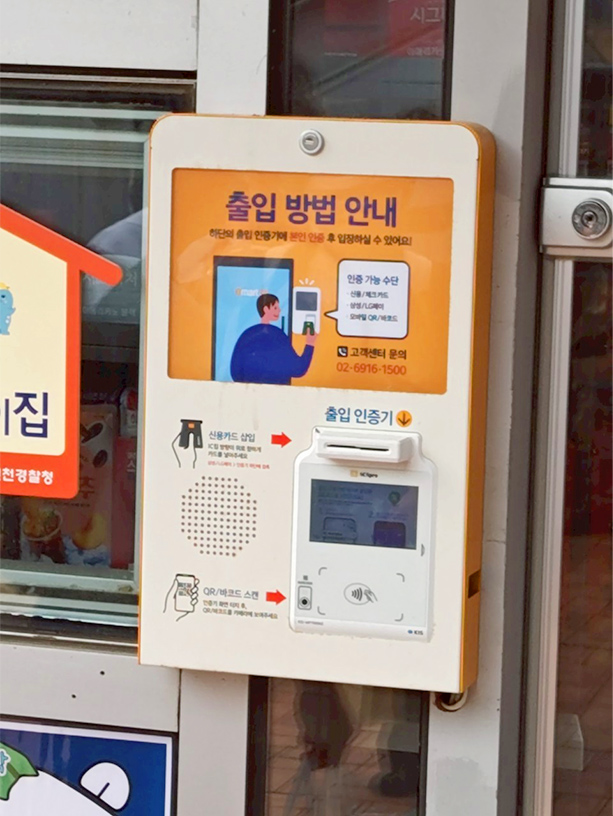
Photo 3
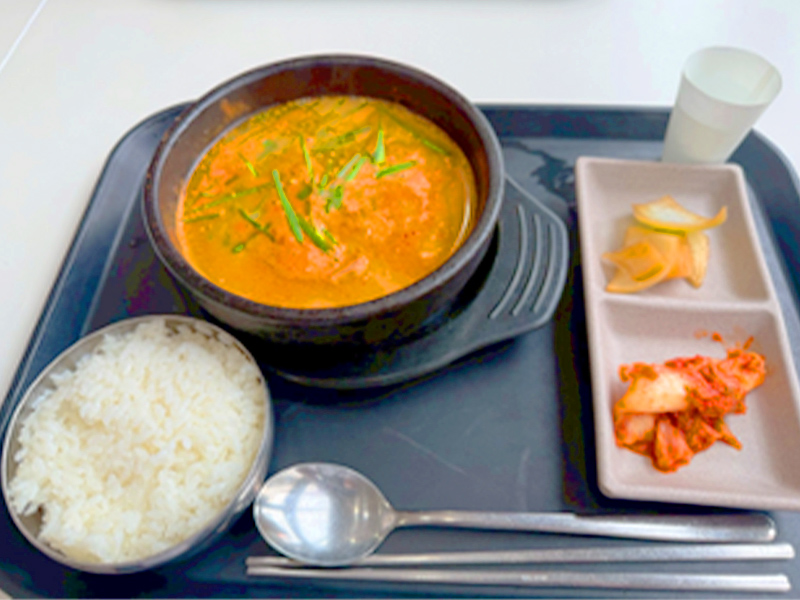
Photo 4
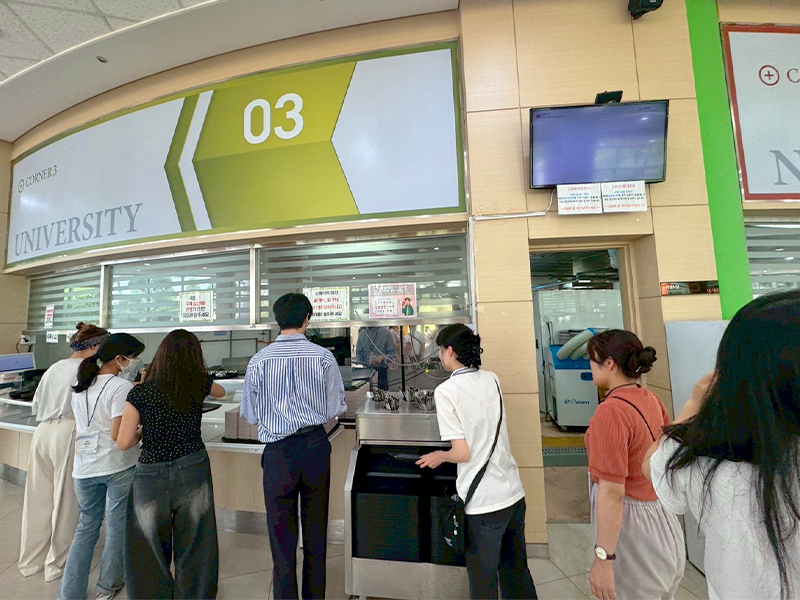
Photo 5
- The group visited Incheon National University (Photo 1). At the co-op store, original merchandise featuring the university’s character was on sale. In addition, students from the design department collaborated with the co-op in developing products (Photo 2), providing students with valuable hands-on experience.
- The university also operates an unmanned store that allows entry using a credit card (Photo 3). This system enables 24-hour operation without on-site staff.
- Participants used the campus cafeteria (Photo 4, Photo 5). At Korean university co-op cafeterias, set-menu meals are commonly provided as the standard dining style.
Reflections on the Exchange Program
Below are reflections from the Japanese student participants who took part in the program.
Keita Takasu (NFUCA Student Committee)
Through visiting Korean university co-ops and interacting with Korean students, I had a valuable opportunity to learn about the lives of university students in Korea and their perspectives on student welfare. By actually using the co-op cafeterias that Korean students use in their daily lives, I was able to gain a concrete understanding of pricing, menu offerings, and how co-ops support student life.
Seeing students in both Japan and Korea working together within the university setting to improve their own lives through cooperation was truly inspiring. It reaffirmed that this shared spirit of mutual support is a common strength of university co-ops in both countries.
As I do not speak Korean, I mainly communicated with Korean students through translation apps and English. Despite the language barrier, the Korean students warmly welcomed us, and we were able to have meaningful and fulfilling exchanges. Knowing that students of the same generation are actively involved in co-op activities beyond national borders gave me great encouragement and motivation.
I strongly hope that exchanges between Japanese and Korean university co-ops will continue in the future, and that we can keep working together toward realizing a better student life for all.
Yukihiro Urata (NFUCA Student Committee)
This exchange helped me reaffirm that the philosophy of university co-ops—aiming to improve student life—remains unchanged regardless of national borders. Through learning about Korean university co-ops, I realized that great emphasis is placed on responding to students’ needs, such as through cafeteria menus and product selection at co-op stores. Although there are historical differences between Japanese and Korean university co-ops, the fundamental values they share are clearly the same.
I also found it very meaningful to build friendships with Korean students. Over the four days, we not only learned together but also shared meals and conversations, which allowed me to better understand how Korean university students live and what they study. Although we come from different countries, we are all students learning at universities, and I felt a strong sense of connection through that shared experience.
I sincerely hope that exchanges between Japanese and Korean university co-ops will continue in the years to come.
Nagomi Torii (NFUCA Student Committee/Tokyo Block)

Encouraging Active Member Participation
Through learning about student committees at Korean universities, I realized how strongly they value building communities where members can connect with one another. Creating opportunities where students feel, “By becoming a member, I can gain meaningful experiences,” plays an important role in helping students understand and appreciate the value of university co-ops.
One of the core values of Korean university co-ops is the idea of “voluntary participation and management by all members of the university community.” Rather than simply organizing activities for fun, student committees clearly aim to increase active membership through purposeful initiatives. This perspective left a strong impression on me.
Supporting Students in Continuing Their Education
During the three days of interaction with Korean students, I was deeply reminded of the importance of higher education. While I knew that Korea has a high university enrollment rate and a strong culture of academic dedication, speaking directly with students made this even more apparent.
Many students pursue higher education while relying on student loans, which makes maintaining a stable living environment essential for continuing their studies. In this context, the presence of university co-ops plays a crucial role in supporting students’ daily lives and enabling them to focus on learning. This made me strongly aware of the value of university co-ops from a member’s perspective.
Reflections on the Three Days
Being able to share ideas and aspirations beyond language and cultural barriers felt like an ideal form of dialogue. I hope that opportunities like this—connecting with others who strive for a “better life” through cooperation—will continue in the future.
Also Featured in ICA-AP Newsletter
This exchange program was featured in an article in the ICA-AP Newsletter: